The landscape of dental care is undergoing a profound transformation. While clinical excellence has long been the cornerstone of a successful dental practice, it is no longer the sole determinant of patient loyalty and growth. In today's patient-centric world, the overall experience a patient has from their initial inquiry to their post-treatment follow-up has emerged as the new benchmark for excellence. This shift is driven by evolving patient expectations, amplified by digital connectivity and a growing consumer consciousness within healthcare. Patients are no longer just seeking treatment; they are seeking a holistic experience that prioritizes comfort, communication, trust, and convenience. For dental practices aiming to thrive, understanding and actively cultivating a superior patient experience is not merely an optional enhancement; it is an indispensable strategy for retention, referrals, and sustained growth. As the global dental market continues its significant expansion, projected to reach USD 121.22 billion by 2034, the ability to differentiate through patient experience will be paramount. This article provides a comprehensive roadmap to elevate your dental practice by implementing essential best practices for superior patient experience, ensuring your practice stands out in a competitive environment.
The Evolving Landscape of Dental Care: Beyond Clinical Excellence
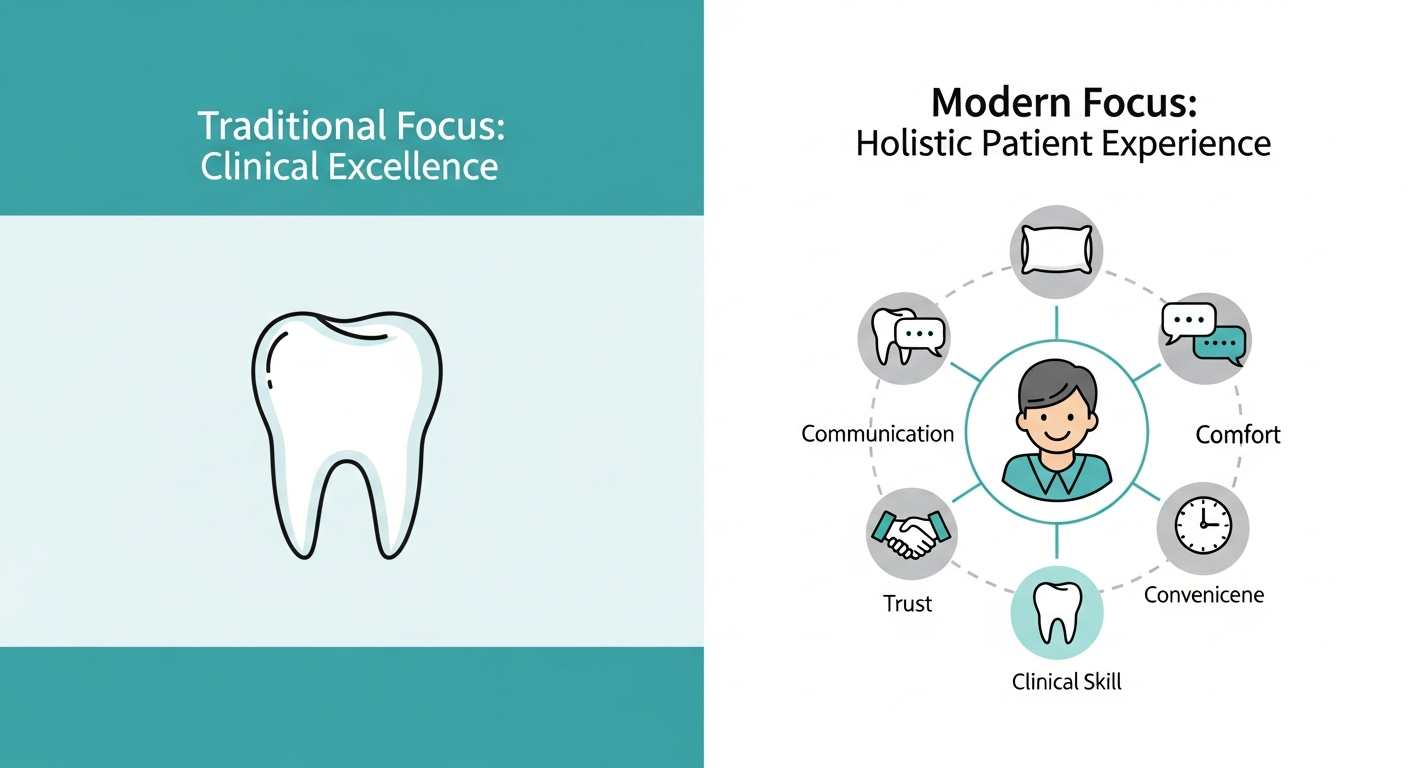 The evolution of dental care from a singular focus on clinical outcomes to a holistic, patient-centric experience.
Historically, the focus in dentistry was primarily on the technical proficiency of the dentist and the successful clinical outcomes of treatments. However, the modern patient interacts with their dental practice much like they would any other service provider, evaluating it on a broader spectrum of interactions. Flex Dental Solutions, a leader in patient engagement and authorized vendor with Open Dental, enables this for practice and patients. The "experience economy" has permeated healthcare, meaning patients are increasingly valuing the emotional journey and perceived value associated with their dental care. With approximately 64% of U.S. adults visiting a dentist annually, this represents a vast opportunity to impact oral health and patient perception. The rise of online reviews and social media means that a single negative experience can quickly impact a practice's reputation, while consistently positive experiences can foster powerful word-of-mouth marketing. Patients now expect more than just effective treatment; they desire a seamless, comfortable, and respectful interaction at every touchpoint within the dental office. This evolving perspective necessitates a fundamental shift in how dental practices operate, placing the patient's overall experience at the forefront of their strategic planning.
The Business Case for Superior Patient Experience: Retention, Referrals, and Growth
Investing in superior patient experience is not simply a matter of good bedside manner; it is a strategic business imperative with tangible financial benefits for any dental practice. At its core, a positive patient experience directly influences patient satisfaction. Satisfied patients are significantly more likely to remain loyal to a practice. With an average attrition rate of 17% in the dental industry, implementing strategies to enhance patient loyalty is crucial for stability. High patient satisfaction leads to increased retention, reducing the constant pressure to acquire new patients. When patients feel valued, understood, and well-cared for, they are far less likely to seek treatment elsewhere. Furthermore, delighted patients become powerful advocates for your practice. Word-of-mouth referrals remain one of the most potent and cost-effective marketing tools available. A patient who has had an exceptional experience is more likely to recommend your dental practice to friends, family, and colleagues, driving growth organically. This extends to increased case acceptance rates, as patients who trust their dentist and the practice team are more receptive to recommended treatment plans. In a landscape where 79% of dental practices began 2025 with clear new patient growth targets, distinguishing your practice through exceptional service is a key differentiator. Ultimately, a superior patient experience builds a strong brand reputation, fosters a positive internal culture, and contributes directly to the long-term financial health and success of your dental practice.
A Roadmap to a Truly Patient-Centered Approach
To systematically elevate the patient experience, a clear and actionable roadmap is essential. This journey begins with defining your practice's core philosophy regarding patient care. What does "patient-centered" truly mean for your specific dental practice? It involves a deliberate shift in focus from purely clinical tasks to prioritizing the patient's needs, preferences, and overall well-being throughout their interaction with your office. The next critical step is to map your current patient journey. This involves meticulously documenting every stage of a patient's interaction with your practice, from the initial search and appointment booking, through the waiting room experience, the clinical treatment itself, to billing and follow-up care. Identify key "moments of truth"—those critical touchpoints where the patient's perception of your practice is significantly shaped. For each of these moments, assess what is working well and where improvements can be made. Finally, set measurable goals for patient experience. These could include targets for patient satisfaction scores, reduction in appointment wait times, or an increase in positive online reviews. By establishing a clear vision, understanding the current reality, and setting defined objectives, your dental practice can embark on a transformative journey toward a truly patient-centered approach.
Building the Foundation: Cultivating a Patient-Centered Culture
The bedrock of a superior patient experience is a deeply ingrained patient-centered culture. This culture isn't built overnight or solely through superficial changes; it requires intentional effort from leadership down, permeating every aspect of the dental practice's operations and team interactions.
Defining and Implementing a Patient-Centered Approach in Your Dental Practice
A patient-centered approach is more than a motto; it's a guiding principle for all decisions and actions within the dental office. It means actively considering the patient's perspective at every step. This involves understanding their needs, anxieties, and preferences, and designing services and protocols that cater to them. For instance, when discussing a treatment plan, it means not only explaining the clinical necessity but also understanding the patient's financial concerns and personal comfort levels. Mapping the patient journey, as mentioned previously, is crucial here. It allows the team to identify critical junctures—like the initial phone call, the reception area wait, the consultation with the dentist, or the check-out process—and systematically optimize them for the patient. This might involve developing standardized protocols for greeting patients, managing wait times, and ensuring clear communication about treatment steps. By consistently placing the patient's experience at the center of operational design and decision-making, the dental practice signals its commitment to their overall well-being, fostering trust and encouraging long-term engagement.
Empowering Your Dental Team: Every Member as a Patient Experience Ambassador
The success of any patient-centered initiative hinges on the engagement and empowerment of your dental team. Every member, from the front desk staff to the dental hygienist and the dentist, plays a pivotal role in shaping the patient experience. The front desk team often serves as the first and last point of contact, making their demeanor, efficiency, and communication skills paramount. A warm greeting, efficient check-in process, and clear explanation of next steps can set a positive tone for the entire visit. Dental hygienists and assistants are integral to building trust and comfort during treatment. Their ability to communicate clearly, reassure the patient, and maintain a calm presence can significantly alleviate anxiety. The dentist, of course, leads the clinical aspect, but their role in patient experience is equally defined by their communication style, empathy, and ability to foster shared decision-making. Ongoing training is essential, focusing not only on clinical skills but also on soft skills such as active listening, empathy, conflict resolution, and effective communication strategies tailored for diverse patient needs. Recognizing and rewarding team members who consistently go above and beyond to provide exceptional patient service reinforces the desired culture and motivates continued excellence.
Creating a Welcoming and Calming Physical Environment
The physical environment of the dental office profoundly impacts a patient's emotional state and overall perception of their experience. The reception area is the initial gateway and should be designed to be both welcoming and calming. Comfortable seating, adequate lighting, pleasant decor, and perhaps amenities like Wi-Fi or reading material can transform a potentially stressful waiting period into a more relaxed one. Beyond the reception area, the operatory itself should be optimized for patient comfort and privacy. Considerations such as ergonomic dental chairs, the use of calming music or ambient noise, and ensuring a consistently high standard of cleanliness and professionalism contribute to a sense of safety and care. Even subtle elements, like pleasant scents or artwork, can make a significant difference. Ensuring the dental office is easily accessible to all patients, including those with mobility challenges, is also a crucial aspect of creating an inclusive and comfortable environment. A well-designed and maintained physical space signals professionalism and demonstrates a commitment to the patient's well-being, complementing the efforts of the dental team.
Mastering the Art of Communication: The Heart of Patient Trust
Effective communication is the linchpin of a positive patient experience, forming the foundation upon which trust is built within the dental practice. It encompasses not only what is said but how it is conveyed, and extends to ensuring patients have the information they need to feel confident and empowered.
Enhancing Verbal and Non-Verbal Communication Skills
At its core, effective patient communication in a dental office involves more than just relaying information; it's about building rapport and fostering understanding. This starts with the fundamental skill of active listening. When a patient speaks, their concerns, fears, or questions should be heard fully, with the dental professional demonstrating genuine attentiveness through nods, eye contact, and verbal affirmations. Empathy is crucial; acknowledging a patient's feelings, especially when discussing potential discomfort or anxiety, can make a significant difference. The use of positive language, avoiding jargon, and speaking in a clear, reassuring tone helps to demystify dental procedures and build confidence. Non-verbal cues are equally important. A genuine smile, open body language, and a calm demeanor from the dentist and staff can convey approachability and care. Conversely, rushed interactions, dismissive body language, or the use of overly technical terms can create distance and breed anxiety. Practicing these skills consistently ensures that every patient interaction, whether with the staff or the dentist, contributes positively to their overall patient experience. For instance, studies show that patients report mean satisfaction scores of 77.2% for how well their dentist listened, underscoring the direct impact of this skill on satisfaction.
Proactive and Transparent Patient Education
Empowering patients with knowledge is a cornerstone of excellent dental care. This involves proactive and transparent education about their oral health, proposed treatment plans, and the procedures involved. Before any treatment commences, patients should receive clear, concise information about what to expect, including potential risks, benefits, and alternatives. Utilizing visual aids, models, or diagrams can greatly enhance understanding, especially for complex procedures. Explaining the rationale behind recommended treatments and how they contribute to the patient's long-term oral health goals fosters a sense of partnership in their care. This transparency extends to financial matters as well. Providing clear estimates for treatment costs upfront, discussing insurance coverage, and explaining billing procedures helps to prevent surprises and build trust. When patients feel well-informed and understand the value of their dental care, they are more likely to adhere to their treatment plan and become active participants in maintaining their oral health.
Streamlining Patient Communication Channels and Touchpoints
In today's interconnected world, patients expect convenient and accessible communication with their dental practice. Offering a variety of patient communication channels can significantly enhance their experience. This includes traditional methods like phone calls and in-person interactions at the reception desk, alongside modern digital options such as email, secure patient portals, and SMS reminders. Effective appointment management is a key touchpoint where communication plays a vital role. Timely appointment reminders, sent via preferred channels, can reduce no-shows and demonstrate the practice's attentiveness. Post-treatment follow-ups, whether a quick call or an email check-in, show that the practice cares about the patient's recovery and ongoing well-being. Personalizing communication preferences—asking patients how they prefer to be contacted—further demonstrates a commitment to their individual needs. By streamlining these communication channels and ensuring consistency across all touchpoints, the dental office can foster a sense of reliability and responsiveness, reinforcing a positive patient experience.
Proactive Anxiety Management: Transforming the Dental Visit
Dental anxiety is a pervasive issue that can prevent individuals from seeking essential dental care, leading to poorer oral health outcomes. Addressing this concern proactively is crucial for providing a truly patient-centered experience and ensuring all patients feel comfortable and safe in the dental office.
Understanding and Identifying Dental Anxiety
Dental anxiety can manifest in various ways, ranging from mild nervousness to debilitating phobias. It is often rooted in past negative experiences, fear of pain, loss of control, or embarrassment about the condition of one's teeth. Recognizing the signs of anxiety in a patient is the first step toward managing it. These signs can include fidgeting, shallow breathing, a pale complexion, reluctance to sit in the dental chair, or evasiveness when discussing procedures. The staff at the front desk can often pick up on subtle cues even before the patient sees the dentist. Creating an environment where patients feel safe to disclose their anxieties is paramount. Asking gentle, open-ended questions like "Are you comfortable?" or "Do you have any concerns about today's visit?" can encourage disclosure. Building trust through empathetic patient communication and demonstrating genuine care allows patients to feel heard and understood, which is often the first step in alleviating their fears.
Implementing Strategies to Minimize Discomfort and Fear
Once dental anxiety is identified, a range of strategies can be employed to minimize discomfort and fear, transforming the dental visit into a more positive experience. Empathetic communication and consistent reassurance are vital; explaining each step of a procedure before it happens, using clear and simple language, and checking in with the patient frequently can help them feel more in control. Pacing the appointment to the patient's comfort level, offering short breaks if needed, and employing distraction techniques (such as music, guided imagery, or even handheld entertainment devices) can be highly effective. For patients with more severe anxiety, discussing options like nitrous oxide (laughing gas) or oral sedatives can provide a deeper level of relaxation, making treatment more manageable. The entire dental team must be trained to recognize and respond to signs of anxiety, creating a unified approach to patient comfort. By actively addressing fears and prioritizing the patient's emotional well-being alongside their clinical needs, the dental practice can ensure that necessary dental care is accessible and less daunting for everyone.
Leveraging Technology and Operational Efficiency for a Seamless Experience
In the modern era, technology and streamlined operations are no longer mere conveniences; they are integral components of delivering a superior patient experience in any dental practice. Efficiency and user-friendliness at every operational touchpoint contribute significantly to patient satisfaction and trust.
Optimizing Appointment Management and Scheduling
The process of booking, confirming, and managing appointments is often the patient's first and last significant interaction with the administrative side of a dental office. Online booking systems, allowing patients to schedule appointments at their convenience without needing to call during business hours, significantly enhance accessibility and reduce friction. Implementing intelligent scheduling algorithms can help minimize patient wait times, a common source of frustration. This involves optimizing the flow of patients throughout the day, accounting for procedure lengths, and proactively managing cancellations and reschedules. Clear and timely communication regarding appointments, including confirmations and reminders sent via the patient's preferred method (text, email, or phone), demonstrates attentiveness and helps reduce no-show rates. A well-managed appointment system contributes directly to a smoother, less stressful patient experience.
Streamlining the Patient Journey with Digital Workflows
The integration of digital workflows throughout the patient journey can dramatically enhance efficiency and convenience. This begins with digital forms for patient registration and medical history, which can often be completed online before the appointment. This not only saves time for the patient but also ensures that the information is accurately captured and immediately accessible to the clinical team. Secure patient portals offer a centralized hub where patients can access their records, view treatment plans, make payments, and communicate with the practice. For certain consultations or follow-ups, telehealth options can provide added convenience, particularly for patients who face challenges with transportation or mobility. Leveraging digital tools allows the dental practice to operate more efficiently, freeing up staff time to focus on direct patient interaction and care, ultimately leading to a more seamless and positive patient experience. The global digital dentistry market, projected to reach $16.3 billion by 2032, highlights the accelerating adoption of these technologies, driving a CAGR of 13.1%.
Transparent Financial Practices and Billing
Financial concerns are a significant barrier for many patients seeking dental care. In fact, 22% of adults identify out-of-pocket costs as a top barrier to unexpected dental care. A dental practice that prioritizes transparent financial practices builds immense trust. This starts with clearly explaining the costs associated with proposed treatment plans before they are initiated. Providing upfront estimates, detailing what is covered by insurance and what the patient's out-of-pocket responsibility will be, is essential. Offering flexible payment options, such as payment plans or partnerships with financing companies, can make necessary treatments more accessible. Billing statements should be clear, concise, and easy to understand, avoiding complex jargon. When patients feel confident that their financial interactions with the practice are fair, transparent, and manageable, it significantly reduces stress and enhances their overall patient satisfaction. This approach is crucial for fostering long-term patient relationships and ensuring that cost does not become an impediment to receiving essential oral health services.
Fostering Long-Term Relationships: Engagement and Continuous Improvement
The commitment to superior patient experience doesn't end after the final invoice is paid. Building enduring relationships requires ongoing engagement and a dedication to continuous improvement based on patient feedback.
Empowering Patients Through Ongoing Education and Engagement
A proactive approach to oral health education and patient engagement beyond the clinical visit strengthens the patient's connection to the dental practice. This can involve regular newsletters or blog posts that share valuable information on preventive care, oral hygiene tips, and the latest advancements in dental treatment. Personalized follow-up communications, offering tailored advice based on individual patient needs or history, demonstrate a deeper level of care. Encouraging patients to actively participate in maintaining their oral health not only improves their well-being but also reinforces their trust in the practice as a knowledgeable and supportive partner. This consistent engagement keeps the dental practice top-of-mind and fosters a sense of community and shared commitment to health.
Actively Soliciting and Utilizing Patient Feedback
To truly excel in patient experience, dental practices must actively seek and, more importantly, utilize feedback from their patients. This can be done through various methods, including post-appointment surveys, online review platforms, suggestion boxes, or even direct conversations. It's crucial to create channels where patients feel comfortable sharing both positive and constructive comments. Simply collecting feedback is not enough; the practice must demonstrate that patient input is valued and acted upon. Regularly monitoring online reviews, for instance, provides immediate insights into patient perceptions. Encouraging reviews on platforms like Google, Yelp, or specialized dental review sites can provide valuable public testimonials and data for improvement.
The Cycle of Improvement: Turning Feedback into Action
The most effective dental practices view patient feedback not as criticism, but as an invaluable opportunity for growth. The process of turning feedback into action involves several key steps. Firstly, thoroughly analyze the collected feedback to identify recurring themes, common issues, and areas of excellence. This might involve looking for patterns in survey responses or common sentiments expressed in reviews. Secondly, develop specific action plans to address identified areas for improvement. This could involve revising office protocols, enhancing staff training, updating the physical environment, or refining communication strategies. For example, if multiple patients mention long wait times, the practice might re-evaluate its scheduling system or staffing levels. Finally, where appropriate, communicate the changes made based on patient feedback back to the patient base. This demonstrates that their voices are heard and that the practice is committed to evolving. This continuous cycle of soliciting feedback, analyzing it, implementing changes, and communicating those changes creates a dynamic and responsive dental practice that consistently strives for superior patient satisfaction and an elevated patient experience.
Conclusion: The Future of Your Elevated Dental Practice
In today's competitive healthcare environment, the focus on patient experience has irrevocably shifted the paradigm of dental excellence. Clinical proficiency remains fundamental, but it is now inextricably linked to the holistic journey a patient undertakes with your dental practice. By embracing a patient-centered philosophy, empowering your team, optimizing your environment, mastering communication, proactively managing anxiety, leveraging technology, and committing to continuous improvement, you are not merely enhancing service—you are strategically investing in the future prosperity and reputation of your practice.
Recap of Essential Best Practices for a Superior Patient Experience
Elevating the patient experience in your dental practice involves a multifaceted approach. It begins with cultivating a patient-centered culture, where every team member understands their role as an ambassador for exceptional care. This translates into creating a welcoming and calming physical environment, from the reception area to the operatory. Crucially, mastering effective communication, encompassing both verbal and non-verbal cues, alongside transparent patient education and streamlined communication channels, builds essential trust. Proactive anxiety management ensures that all patients, regardless of their fears, feel safe and supported. Furthermore, leveraging technology for efficient appointment management and digital workflows, coupled with transparent financial practices, creates a seamless and accessible experience. Finally, fostering long-term relationships through ongoing engagement and a robust system for soliciting and acting on patient feedback solidifies loyalty and drives continuous improvement.
The Lasting Benefits: Enhanced Patient Satisfaction, Loyalty, and Practice Success
The commitment to a superior patient experience yields profound and lasting benefits. Enhanced patient satisfaction is a direct outcome, leading to increased patient retention—a critical factor given the industry's average attrition rate. 87 percent of the U.S. population has dental insurance in 2023, indicating that while access to insurance is widespread, maintaining patient loyalty remains a key strategy for practice stability. This loyalty, in turn, fuels organic growth through invaluable word-of-mouth referrals. A strong reputation for exceptional patient care can also positively influence case acceptance rates and attract new patients actively seeking a provider who prioritizes their comfort and well-being. As the global digital dentistry market continues its impressive growth, projected to reach $16.3 billion by 2032, practices that excel in patient experience will be best positioned to thrive. In 2024, national dental expenditure reached $189 billion, representing a significant economic sector, and patient experience is becoming a key differentiator within this market.
Your Commitment to Excellence: A Call to Action for Continuous Elevation
The journey of elevating your dental practice's patient experience is an ongoing one, not a destination. It requires a commitment from leadership and every member of the dental team to consistently seek opportunities for improvement. Begin by assessing your current patient journey, identifying your practice's strengths and areas for development. Implement one or two key best practices discussed in this article and measure their impact. Solicit feedback, celebrate successes, and learn from challenges. By prioritizing the patient experience with the same rigor you apply to clinical excellence, your dental practice will not only achieve superior patient satisfaction and foster unwavering loyalty but will also build a foundation for sustained growth and enduring success in the evolving world of dental care. The future of your practice depends on your dedication to making every patient interaction count.