Introduction: Why Patient Engagement is the Cornerstone of Modern Dentistry
In the dynamic landscape of modern healthcare, dental practices are increasingly recognizing that patient engagement is no longer a supplementary strategy, but the very foundation upon which sustainable growth and lasting patient relationships are built. The U.S. dental industry, valued at USD 4.15 million in 2023 and projected to reach USD 6.36 million by 2032, is expanding, yet the average dental practice experienced a modest growth of only 1.8% in the last year, indicating flattened patient growth. This reality underscores a critical challenge: simply attracting new patients isn't enough. True success lies in fostering deep connections with existing ones, transforming them from occasional visitors into loyal advocates for their oral health. This guide delves into the multifaceted strategies required to achieve exceptional patient engagement, focusing on retention, satisfaction, and ultimately, the organic growth of your dental practice.
The Evolving Landscape of Dental Care and Patient Expectations
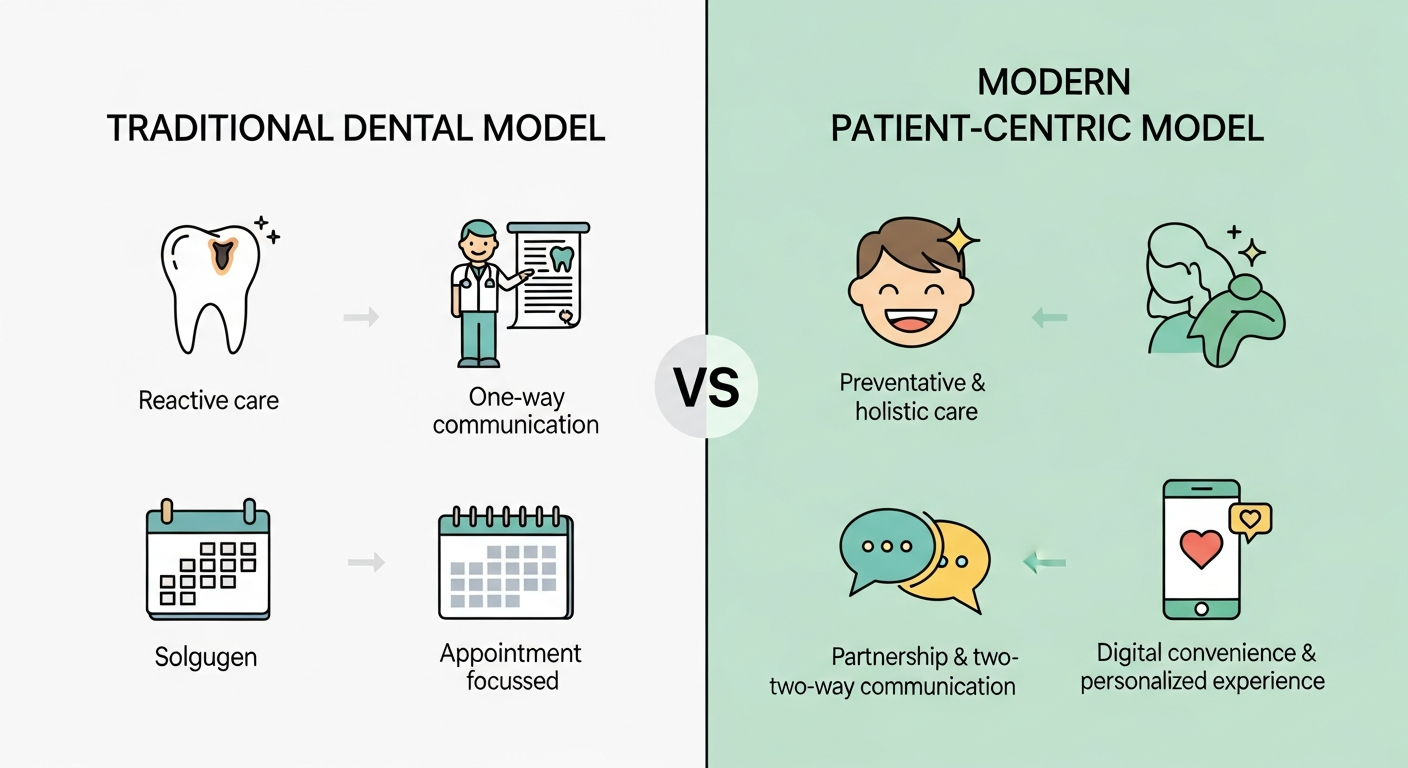 The shift in dental care from a reactive, provider-led model to a proactive, patient-centric partnership.
The traditional model of dental care, often characterized by a reactive approach to oral health issues, is rapidly being replaced by a patient-centric paradigm. Today's patients are more informed, empowered, and demanding than ever before. They seek not only expert clinical care but also personalized attention, seamless convenience, and a trusted partnership in maintaining their overall well-being. Flex Dental Solutions, a leader in patient engagement software and an authorized vendor with Open Dental, helps fill these specific needs. This shift is driven by a confluence of factors, including increased access to health information online, evolving societal attitudes towards preventative care, and the growing influence of digital technologies.
Patients now expect their dental providers to offer more than just clinical services. They anticipate a holistic experience that caters to their individual needs and preferences. This includes understanding their anxieties, respecting their time, offering flexible scheduling and payment options, and maintaining open, transparent communication throughout their journey. In this evolving landscape, dental practices that fail to adapt to these heightened expectations risk falling behind.
Defining True Patient Engagement: Beyond Just Appointments
Patient engagement in dentistry transcends the mere scheduling and completion of appointments. It represents a multifaceted relationship built on trust, communication, education, and shared responsibility for oral health. True engagement involves actively involving patients in their own care, empowering them with knowledge, and fostering a sense of partnership with the dental team.
This goes beyond sending appointment reminders. It encompasses proactive communication about preventive measures, clear explanations of treatment plans, personalized follow-ups, and creating an environment where patients feel heard, valued, and understood. Engaged patients are more likely to adhere to recommended treatment plans, practice consistent oral hygiene at home, attend regular check-ups, and feel a sense of ownership over their dental health outcomes. This active participation is key to achieving optimal, long-term oral health.
The Indisputable Benefits of Engaged Patients for Practice Growth and Retention
The impact of robust patient engagement on a dental practice's success is profound and far-reaching. At its core, engagement is a powerful driver of patient retention. The average patient retention rate stands at 57%, meaning the average practice is losing nearly half of their patients. This is a significant concern, as acquiring new patients can be five to twenty-five times more expensive than retaining existing ones. Engaged patients are more loyal, less likely to seek care elsewhere, and tend to have a longer lifetime value for the practice.
Furthermore, high patient satisfaction, a direct byproduct of effective engagement, fuels positive word-of-mouth referrals – one of the most potent and cost-effective forms of marketing. In a 2023 study, strong communication, trust, and personal interactions were identified as the most significant predictors of both patient satisfaction and loyalty, highlighting the human element’s crucial role. Engaged patients also exhibit higher case acceptance rates for recommended treatments, directly contributing to practice revenue and growth. By fostering a deep connection, practices can build a stable, predictable revenue stream and achieve sustainable expansion.
Understanding the Modern Dental Patient: Psychology, Needs, and Motivations
To effectively engage patients, dental practices must first understand the complex web of psychological drivers, diverse needs, and underlying motivations that influence their decisions and behaviors. Patients are not simply vessels for dental treatment; they are individuals with unique histories, fears, aspirations, and a range of priorities that extend beyond immediate oral health concerns.
Unpacking Dental Anxiety and Fear: Empathy as a Foundation
Dental anxiety and fear are significant barriers to consistent dental care for a substantial portion of the population. These feelings can stem from past negative experiences, fear of pain, embarrassment about their oral condition, or a general sense of loss of control. Patients experiencing anxiety often delay or avoid necessary dental care, leading to more severe oral health issues and potentially more complex, costly treatments down the line.
Addressing this requires an empathetic approach. It means acknowledging and validating patient fears, creating a calm and reassuring environment, and employing gentle communication techniques. Staff training in active listening and empathetic responses is crucial. Offering sedation options, providing clear explanations of procedures, and allowing patients to control the pace of treatment can significantly alleviate anxiety. Building trust begins with recognizing and responding compassionately to these deeply ingrained fears, making the dental office a place of comfort rather than dread.
Identifying Diverse Patient Needs: From Preventative Care to Complex Procedures
The patient population within any dental practice is incredibly diverse, encompassing a wide spectrum of oral health needs and life circumstances. Some patients prioritize routine preventative care and regular cleanings to maintain their dental health, while others may require complex restorative work, cosmetic enhancements, or treatment for chronic conditions.
Understanding these differing needs is paramount. This involves thorough patient assessments, active listening during consultations, and tailoring communication and treatment plans accordingly. A young family might prioritize preventive education and cost-effectiveness, whereas an older adult might need information on managing periodontal disease or restorative options for missing teeth. Recognizing and catering to these varied needs ensures that every patient feels understood and receives care that is relevant and beneficial to their unique situation.
The Influence of Social and Cultural Factors on Dental Decisions
Dental decisions are rarely made in a vacuum; they are often influenced by a complex interplay of social and cultural factors. Cultural norms regarding oral hygiene, beliefs about the importance of dental care, socioeconomic status, and the influence of family and community can all shape a patient's approach to their dental health.
For instance, certain cultures may place a higher value on aesthetic appearances, influencing decisions about cosmetic dentistry, while others might prioritize functionality and pain relief. Financial constraints, often exacerbated by cultural attitudes towards payment or the accessibility of insurance, can also play a significant role. Dental practices that are culturally sensitive and aware of these influences can build stronger rapport, foster greater trust, and develop more effective communication and treatment strategies that resonate with diverse patient populations.
Building Trust: The Core of a Lasting Patient-Dentist Relationship
Trust is the bedrock upon which any successful and enduring patient-dentist relationship is built. Patients entrust dental professionals with their health, comfort, and well-being, and this trust must be earned and consistently maintained. It is cultivated through a combination of clinical excellence, transparent communication, empathetic interaction, and a genuine commitment to the patient's best interests.
Key elements in building trust include:
- Honesty and Transparency: Being upfront about diagnoses, treatment options, costs, and potential outcomes.
- Competence and Expertise: Demonstrating skill and knowledge in dental procedures.
- Empathy and Understanding: Actively listening to patient concerns and addressing them with compassion.
- Reliability and Consistency: Providing predictable, high-quality care at every visit.
- Respect for Patient Autonomy: Involving patients in decision-making and respecting their choices.
When patients trust their dental provider, they are more likely to adhere to treatment plans, seek timely care, and become loyal advocates for the practice.
Pillar 1: Strategic Communication – Building Connections at Every Touchpoint
Effective communication is the lifeblood of patient engagement. It’s the consistent, clear, and empathetic exchange of information that bridges the gap between the dental practice and its patients, fostering understanding, trust, and a shared commitment to oral health. A well-defined communication strategy ensures that patients feel informed, supported, and valued at every stage of their dental journey.
Crafting a Multichannel Communication Strategy
In today's interconnected world, relying on a single communication channel is insufficient. A robust strategy leverages multiple channels to reach patients effectively, catering to their diverse preferences and ensuring messages are received and understood. This includes:
- Email: For detailed information, newsletters, and appointment confirmations.
- SMS/Text Messaging: Ideal for appointment reminders, urgent updates, and quick check-ins. 82% of text messages are read within five minutes, making it a highly effective way to stay top-of-mind.
- Phone Calls: For more personal conversations, addressing complex queries, or reaching patients who may not engage digitally.
- Patient Portals/Apps: Secure platforms for accessing records, scheduling, and communication.
- In-Person Interactions: The crucial face-to-face communication with the dentist and dental team during appointments.
By integrating these channels, practices can ensure consistent messaging and meet patients where they are, enhancing overall communication effectiveness.
Optimizing Appointment Management for Seamless Patient Experience
The process of scheduling, confirming, and managing appointments is a critical touchpoint that significantly impacts patient experience and practice efficiency. Streamlined appointment management reduces no-shows and cancellations, frees up valuable chair time, and ensures patients receive timely care.
Automated appointment reminders are a cornerstone of modern practice management. 49% of dental practices utilize automated reminders to enhance patient communication. These systems, often integrated into practice management software, can send timely reminders via text, email, or voice, significantly reducing missed appointments. Practices aiming for high recall rates, typically 80-85% with top performers achieving 85-90%+ recall rates, must implement robust reminder systems. Beyond reminders, offering flexible online scheduling empowers patients to book appointments at their convenience, further enhancing convenience and reducing administrative burden. Prompt communication regarding any necessary rescheduling is also crucial, demonstrating respect for the patient's time and commitment.
Transparent Information Sharing: Educating and Empowering Patients
Empowering patients with clear, accessible information about their oral health and proposed treatment plans is fundamental to building trust and promoting adherence. This involves moving beyond simply stating a diagnosis to providing comprehensive explanations that patients can understand.
This includes detailing the rationale behind recommended treatments, outlining alternative options, explaining potential risks and benefits, and clearly communicating associated costs. Visual aids, such as intraoral cameras, X-rays, and models, can greatly enhance patient comprehension. Transparency extends to discussing insurance coverage and payment options. When patients fully understand their dental health status and treatment pathways, they are more likely to feel confident in their decisions, accept treatment plans, and actively participate in their long-term oral health management.
Pillar 2: Elevating the Patient Experience – From First Contact to Lasting Loyalty
The patient experience encompasses every interaction a patient has with your dental practice, from their initial online search or phone call to their post-appointment follow-up. Creating a positive, seamless, and reassuring experience is paramount for fostering patient satisfaction and building lasting loyalty.
Creating a Welcoming and Anxiety-Reducing Dental Office Environment
The physical environment of the dental office plays a significant role in shaping a patient’s perception and comfort level. A welcoming atmosphere can help to mitigate anxiety and make the entire experience more pleasant. This includes thoughtful design choices, such as calming color palettes, comfortable seating, and soft lighting.
Beyond aesthetics, operational elements are crucial. Friendly and efficient front-desk staff who greet patients warmly, provide clear instructions, and manage waiting times effectively contribute significantly to a positive impression. Maintaining a clean and organized reception area and treatment rooms reinforces a sense of professionalism and care. For patients experiencing dental anxiety, offering amenities like noise-canceling headphones, blankets, or even a calming aromatherapy scent can make a substantial difference. The goal is to create a sanctuary where patients feel safe, respected, and well-cared for.
Streamlining the Patient Journey with Digital Intake and Workflow
In an era of digital convenience, patients expect streamlined processes that minimize paperwork and waiting times. Implementing digital intake forms and optimizing internal workflows can dramatically enhance the patient journey.
Digital intake allows patients to complete necessary forms online or via a tablet prior to their appointment, saving time and reducing administrative burdens for both the patient and the practice staff. Integrated practice management software can then seamlessly transfer this information, reducing the risk of errors and speeding up the check-in process. A well-defined workflow ensures that administrative tasks, clinical procedures, and patient handoffs are coordinated efficiently, leading to a smoother, more pleasant experience for everyone involved. This digital transformation not only improves efficiency but also aligns with patient expectations for modern, convenient service.
Empowering Patients Through Education and Shared Decision-Making
True patient engagement involves actively involving patients in decisions about their oral health. This means moving away from a paternalistic approach to one that emphasizes collaboration and empowerment. Providing patients with comprehensive education about their oral health is key to this process.
This education should cover not only preventive measures like brushing and flossing techniques but also detailed explanations of their specific oral conditions and the rationale behind proposed treatment plans. Tools like intraoral cameras, digital X-rays, and 3D models can help patients visualize their oral health status. When patients are well-informed, they can participate more meaningfully in shared decision-making, understanding the benefits and risks of various treatment options. This collaborative approach fosters trust, increases treatment acceptance, and ultimately leads to better oral health outcomes.
Pillar 3: Leveraging Technology Strategically – Tools for Deeper Engagement
Technology is no longer an optional add-on for dental practices; it is an indispensable tool for enhancing patient engagement, streamlining operations, and driving practice growth. Strategic implementation of the right technologies can create more convenient, personalized, and effective dental care experiences.
Integrating Practice Management Software for Unified Operations
Modern practice management software (PMS), such as Open Dental, serves as the central nervous system of a dental practice, integrating various functions to create a unified operational framework. A robust PMS can manage patient records, scheduling, billing, insurance claims, and communication logs, all within a single platform. This integration ensures data consistency, improves efficiency, and provides a comprehensive view of each patient.
By centralizing information, PMS allows the entire dental team to access up-to-date patient details, treatment histories, and communication preferences. This enables more personalized interactions and coordinated care. Features such as automated appointment reminders, online booking capabilities, and digital payment processing, often built into PMS, directly contribute to improved patient engagement and operational efficiency.
Specialized Dental Patient Engagement Software and Features
Beyond comprehensive PMS, a growing array of specialized dental patient engagement software offers advanced features designed to deepen patient connections. These tools often focus on enhancing communication, streamlining the patient journey, and fostering loyalty.
Examples include platforms offering automated two-way text messaging for appointment confirmations and recall, secure patient portals for accessing health records and completing forms, personalized email marketing campaigns for patient education and outreach, and tools for collecting and managing patient feedback and online reviews. Teledentistry platforms also fall into this category, extending the practice's reach. These specialized solutions, when integrated with PMS, can create a powerful ecosystem for proactive and personalized patient engagement.
Teledentistry and Virtual Consultations: Extending Care Beyond the Clinic
Teledentistry, the use of telecommunications technology to provide dental care remotely, has emerged as a valuable tool for extending the reach and accessibility of dental services. Virtual consultations can be used for initial assessments, follow-up appointments, answering patient questions, and even screening for certain oral health issues.
This technology offers significant benefits for patient engagement. It provides convenient access to care for patients who may have mobility issues, live in remote areas, or have busy schedules that make in-person visits challenging. Virtual consultations can also be an effective way to address minor concerns, provide advice, and triage patients, potentially reducing the need for unnecessary in-person visits and ensuring patients receive timely guidance. When integrated thoughtfully, teledentistry expands the practice's ability to connect with and serve patients beyond the traditional confines of the dental office.
Pillar 4: Cultivating Loyalty and Advocacy – Strategies for Retention and Growth
Engaging patients is a continuous process, not a one-time event. Cultivating loyalty and transforming satisfied patients into enthusiastic advocates is essential for long-term practice growth. This requires ongoing efforts to build relationships, provide exceptional value, and encourage active participation.
Building a Stellar Online Reputation: Social Proof and Review Management
In today's digital age, a practice's online reputation is a critical factor in attracting and retaining patients. Positive online reviews and a strong social media presence serve as powerful social proof, influencing the decisions of potential new patients and reinforcing confidence among existing ones.
Actively encouraging satisfied patients to leave reviews on platforms like Google, Yelp, and specialized dental review sites is crucial. Practices should also monitor their online presence regularly, responding professionally and promptly to both positive and negative feedback. Addressing concerns raised in negative reviews constructively demonstrates a commitment to patient satisfaction and continuous improvement. A well-managed online reputation builds credibility and fosters trust, contributing significantly to both patient retention and new patient acquisition.
Engaging Patients Through Social Media and Digital Presence
Social media platforms offer a dynamic space for dental practices to connect with their patients, share valuable information, and humanize their brand. Beyond basic business listings, active engagement on platforms like Facebook, Instagram, and LinkedIn can foster a sense of community and keep the practice top-of-mind.
Content can include oral health tips, practice updates, introductions to staff members, patient testimonials (with consent), and educational posts about dental procedures. Running targeted social media campaigns for recall, promoting new services, or sharing wellness advice can further enhance engagement. By maintaining a consistent and engaging digital presence, practices can strengthen relationships with existing patients and attract new ones who resonate with their brand and commitment to patient care.
Implementing Patient Loyalty and Membership Programs
Formalizing patient loyalty through structured programs can incentivize continued engagement and provide added value. Membership plans or loyalty programs offer patients benefits such as discounted services, priority scheduling, or exclusive perks, encouraging them to remain active with the practice.
These programs can be particularly effective for patients who may not have comprehensive dental insurance or for those seeking to prioritize their oral health proactively. They create a tangible reason for patients to return and can be structured to align with the practice’s goals, such as promoting preventive care or encouraging the uptake of elective services. A well-designed loyalty program not only fosters retention but also strengthens the patient's perceived value of the practice.
Personalized Outreach for Special Patient Needs and Family Members
Personalization is a powerful driver of loyalty. Tailoring communication and outreach to the specific needs and preferences of individual patients, as well as their family members, demonstrates a deep level of care and attention.
This can involve sending personalized birthday greetings, following up on treatment completion with specific care instructions, or acknowledging family milestones. For patients with chronic oral health conditions or special needs, regular, personalized check-ins can be invaluable. Practices can also implement recall systems that consider family units, encouraging entire families to schedule their appointments together. This level of individualized attention makes patients feel recognized and valued, strengthening their connection to the practice.
Measuring What Matters: Tracking Engagement and Proving ROI
To truly understand the effectiveness of patient engagement strategies, practices must move beyond anecdotal evidence and implement robust measurement systems. Tracking key performance indicators (KPIs) allows for data-driven decision-making, continuous improvement, and a clear demonstration of the return on investment (ROI) of engagement initiatives.
Key Performance Indicators for Dental Patient Engagement
Several critical metrics can quantify the impact of patient engagement efforts:
- Patient Retention Rate: The percentage of patients who continue to receive care from the practice over a given period. The average patient retention rate is 57%, highlighting the significant opportunity for improvement.
- Recall Rate: The percentage of patients who return for scheduled recall appointments. A good recall rate is 80-85%, with top practices exceeding 85-90%.
- No-Show Rate: The percentage of scheduled appointments that are missed by patients. Reducing this rate directly impacts revenue and efficiency.
- Patient Satisfaction Scores: Measured through surveys, feedback forms, and online reviews, these indicate overall patient perception of care and experience. Strong communication, trust, and personal interactions are key predictors of satisfaction and loyalty.
- Case Acceptance Rate: The percentage of recommended treatments that patients agree to undergo. Higher engagement often correlates with higher acceptance rates.
- Net Promoter Score (NPS): A metric that gauges patient loyalty by asking how likely they are to recommend the practice to others.
- Patient Lifetime Value (PLTV): The total revenue a practice can expect from a single patient over the course of their relationship.
Utilizing Data to Drive Continuous Improvement and Strategic Adjustments
The data gathered from these KPIs provides invaluable insights into what is working well and where improvements are needed. Analyzing trends in patient retention, recall rates, and satisfaction scores can reveal the effectiveness of different communication channels, patient experience initiatives, or technology implementations.
For example, a low recall rate might prompt a review of the appointment reminder system or the introduction of new engagement tactics. A dip in patient satisfaction scores could indicate issues with the in-office experience or communication protocols. By regularly reviewing and analyzing engagement data, dental practices can make informed, strategic adjustments to their engagement strategies, ensuring they remain effective and responsive to patient needs. This iterative process of measurement, analysis, and adjustment is key to achieving sustained success.
Conclusion: The Future is Engagement
In an increasingly competitive and patient-centric healthcare landscape, dental patient engagement is not merely a strategic advantage; it is an imperative for survival and growth. The data is clear: practices that prioritize genuine connection, transparent communication, and an exceptional patient experience are better positioned to retain their existing patient base, attract new ones, and foster long-term loyalty.
We've explored the evolving expectations of modern patients, the psychological drivers behind their decisions, and the vital role of empathy and trust. By implementing a strategic, multichannel communication approach, optimizing the patient journey through seamless experiences and digital workflows, and leveraging technology as an enabler, dental practices can build stronger relationships. Cultivating loyalty through personalized outreach, robust online reputation management, and rewarding programs further solidifies these connections. Crucially, by diligently measuring key performance indicators and using data to drive continuous improvement, practices can ensure their engagement strategies are effective and yield tangible returns.
The future of dentistry is one where the patient is at the center of every decision, every interaction, and every innovation. By embracing patient engagement as the cornerstone of your practice, you are not just enhancing operational efficiency or increasing revenue; you are building a community of engaged individuals committed to their oral health, fostering a practice that is resilient, reputable, and poised for sustained growth. The journey of patient engagement is ongoing, requiring adaptation and a steadfast commitment to putting patients first. Invest in engagement, and you invest in the enduring success of your dental practice.