Introduction: Why Patient Communication is the Cornerstone of Modern Dentistry
Patient communication is no longer a secondary consideration for dental practices; it's the very cornerstone of success. Beyond simply scheduling appointments and sending reminders, effective patient communication fosters trust, enhances patient experience, drives treatment acceptance, and ultimately cultivates lasting loyalty. Modern dental practices must embrace a multifaceted approach, integrating genuine human connection with cutting-edge technology to thrive. This article explores the essential patient communication solutions that empower dentists to boost engagement, reduce no-shows, and retain their valuable patients.
The Evolving Landscape of Patient Expectations
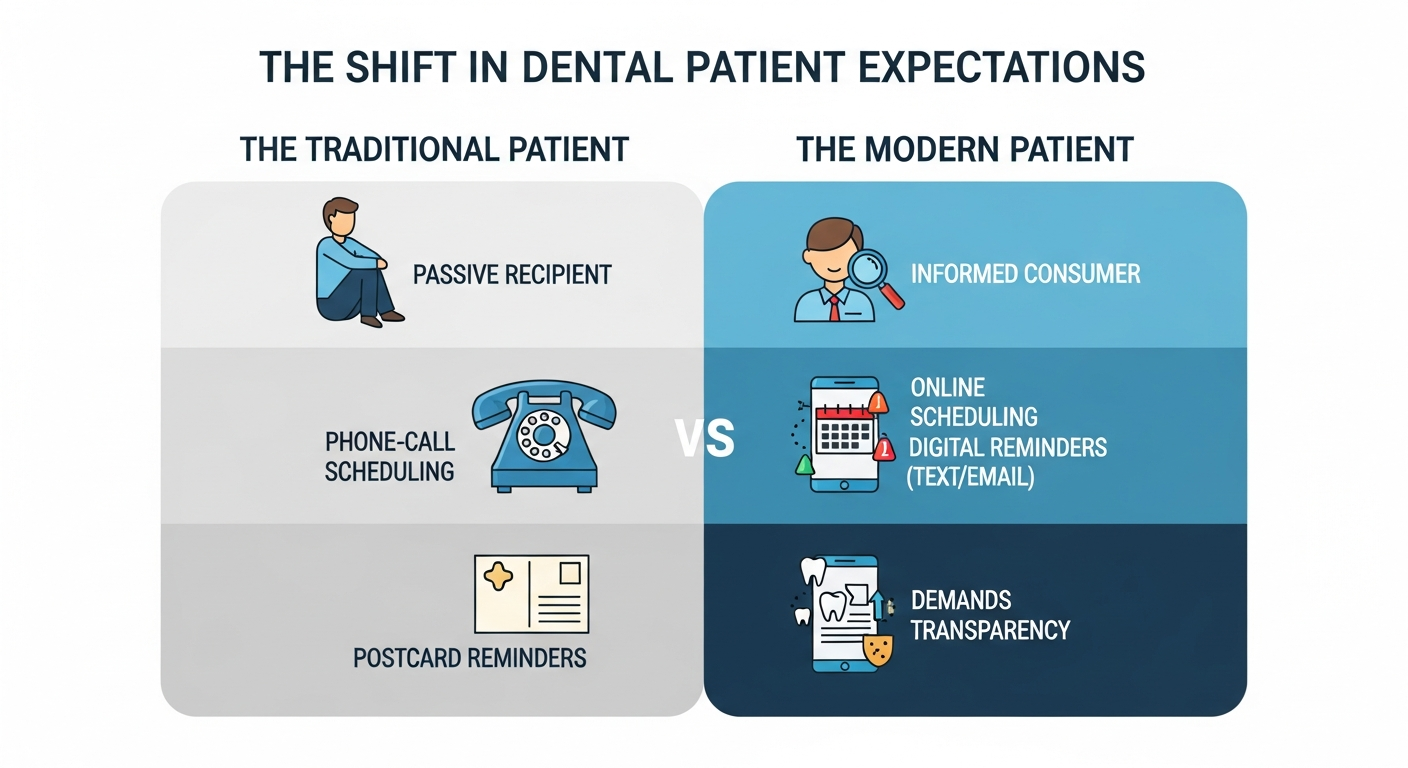 Patient expectations have evolved from passive acceptance of traditional methods to a demand for digital convenience and transparency.
The expectations of patients have dramatically shifted. No longer passive recipients of care, today's dental patients are informed consumers who demand convenience, transparency, and personalized interactions. They seek a seamless experience that mirrors the digital ease they encounter in other aspects of their lives. This includes accessible online scheduling, timely digital reminders via their preferred channels (such as text and email), and clear, consistent information about their treatment plans. A failure to meet these evolving expectations can quickly lead to dissatisfaction, lost appointments, and ultimately, patient churn. In fact, poor communication can cost dental practices up to $25,000 annually in lost revenue and patient churn.
The Critical Link Between Communication, Engagement, and Retention
The connection between robust patient communication, patient engagement, and long-term retention is undeniable. When patients feel heard, understood, and well-informed, their engagement with the practice naturally deepens. This enhanced engagement translates directly into higher appointment show rates, greater adherence to treatment plans, and increased likelihood of recommending the practice to others. A patient engagement software, like Flex Dental Solutions, helps boost all these aspects. Conversely, a lack of clear communication can breed anxiety, confusion, and distrust, pushing patients to seek care elsewhere. The success of high-quality dental care predominantly depends on the communication between dentist and patient, underscoring its role in building strong, enduring relationships.
The Synergy of Human Connection and Technological Innovation in Dental Care
The most effective patient communication strategies harmonize the irreplaceable value of human empathy and interpersonal skills with the efficiency and reach of modern technology. While technological solutions can automate tasks and streamline processes, they should never replace the foundational elements of compassionate care. The synergy lies in using technology to augment human interactions, freeing up staff time for more meaningful patient engagement and ensuring that every touchpoint, whether digital or in-person, reinforces the practice's commitment to exceptional patient care. This blended approach is crucial for creating a truly exceptional patient experience.
The Foundation: Mastering Human-Centric Communication Skills
Before diving into technological solutions, it's essential to emphasize the bedrock of effective patient communication: fundamental human skills. These abilities are not merely soft skills; they are critical drivers of trust, comfort, and patient satisfaction within the dental office.
Cultivating Empathy and Active Listening
Empathy, the ability to understand and share the feelings of another, is paramount in dental settings, particularly for patients experiencing anxiety. By actively listening to a patient's concerns, fears, and questions, dentists and their staff can validate their feelings and build a stronger rapport. Active listening involves not just hearing words but also paying attention to tone, body language, and unspoken cues. This genuine interest demonstrates that the practice prioritizes the individual patient and their comfort above all else, fostering a sense of being truly cared for.
Delivering Clear and Compassionate Verbal Communication
Clear, concise, and compassionate verbal communication is vital at every stage of patient interaction. Dentists must explain diagnoses, treatment options, and post-operative instructions in language that is easily understood, avoiding excessive jargon. This clarity not only empowers patients to make informed decisions about their oral health but also preempts many common questions and concerns. Compassion in tone and delivery can significantly alleviate patient anxiety, making the dental experience less daunting and more reassuring.
The Power of Nonverbal Cues and Body Language
Beyond spoken words, nonverbal cues and body language play a profound role in patient communication. A warm smile, direct eye contact, an open posture, and a reassuring touch on the arm can convey professionalism, confidence, and care. Conversely, rushed movements, averted gazes, or a tense demeanor can inadvertently signal disinterest or unease. Dental staff should be trained to be mindful of their own nonverbal signals and to interpret those of their patients, ensuring that their physical presence supports a positive and trustworthy environment within the dental office.
Strategies for Addressing Dental Anxiety and Fostering Trust
Dental anxiety is a significant barrier for many patients, impacting their willingness to seek necessary treatment and their overall experience. Effective communication strategies are key to addressing this. This includes a calm and welcoming office environment, clear explanations of every step of a procedure before it begins, offering choices whenever possible, and checking in frequently during treatment. Building trust is an ongoing process, initiated by consistent empathy, transparent communication, and a demonstrated commitment to patient comfort and well-being.
Leveraging Technology for Seamless Patient Communication
While human connection is foundational, technology offers powerful tools to amplify communication efforts, improve efficiency, and enhance the overall patient journey in the dental practice.
Core Communication Software & Practice Management System Integration
Modern dental practices rely heavily on Practice Management Systems (PMS), such as Open Dental, to manage patient records, scheduling, billing, and more. Integrating core communication software with the PMS is crucial for a seamless workflow. This integration allows for automated appointment reminders, recall notifications, and personalized messaging based on patient data, all pulled directly from the PMS. This eliminates manual data entry, reduces errors, and ensures that all communication is consistent and timely. For example, a well-integrated system can automatically trigger a text message appointment reminder for a patient scheduled for a specific treatment.
Automated Engagement Tools for Efficiency & Compliance
Automated engagement tools are indispensable for modern dental practices. These tools automate routine communications, freeing up staff from repetitive tasks and ensuring no patient falls through the cracks. This includes:
- Appointment Reminders: Automated reminders sent via text or email significantly reduce no-show rates by 29-40%.
- Recall Notices: Proactive reminders for routine check-ups encourage preventative care and maintain patient engagement.
- Post-Treatment Instructions: Automated delivery of post-operative care instructions ensures patients have the information they need at their fingertips.
- Birthday Wishes and Greetings: Personalized messages foster goodwill and strengthen patient relationships.
These tools not only improve efficiency but also enhance compliance by ensuring consistent communication protocols are followed for every patient.
Enhancing Two-Way Communication & Responsiveness
Beyond one-way notifications, modern solutions facilitate genuine two-way communication. Patients increasingly prefer digital channels for interactions; most patients would rather use digital forms to schedule dental care than call a practice, and a majority prefer text and email reminders over phone calls. Implementing secure messaging platforms, patient portals, and even AI-powered chatbots allows patients to ask questions, request appointments, and receive prompt responses outside of regular office hours. This responsiveness is critical for patient satisfaction and can help capture new patient inquiries.
Revolutionizing Patient Education & Informed Consent
Effective patient education is a cornerstone of ethical dental practice and a powerful driver of treatment acceptance. Technology can transform how this information is delivered. Digital platforms can provide patients with access to educational videos, articles, and interactive content about various dental conditions and treatments. This pre-treatment education empowers patients, allowing them to ask more informed questions and feel more confident in their decisions. Furthermore, digital informed consent forms can streamline the process, ensuring that patients fully understand their treatment plan before proceeding, thereby reducing post-treatment queries and improving compliance.
Optimizing Communication Across the Entire Patient Journey
Effective patient communication is not a one-time event; it's an ongoing process that spans the entire patient journey, from their very first interaction with the practice to long-term follow-up.
Pre-Appointment: First Impressions & Seamless Onboarding
The patient journey begins long before they sit in the dental chair. A positive first impression is crucial. This starts with an accessible website, easy online scheduling options, and clear communication about what to expect. Sending new patient welcome packets digitally, including necessary forms and information about the practice's philosophy and staff, can significantly streamline the onboarding process. Confirming appointments via text or email well in advance helps reduce the likelihood of patients forgetting or needing to reschedule. Prioritizing user-friendly digital scheduling is paramount for a better patient experience.
During the Appointment: Clarity, Comfort, and Compliance
Once the patient is in the office, communication must focus on clarity, comfort, and compliance. Dentists and their staff should greet patients warmly, introduce themselves, and briefly outline the planned procedures for the visit. Throughout the treatment, regular check-ins and clear explanations of what is happening can alleviate anxiety. This is also an opportunity to answer any outstanding questions and ensure the patient feels fully informed and comfortable. Maintaining a consistent and empathetic tone during this stage reinforces the practice's commitment to patient care.
Post-Appointment: Follow-Up, Feedback, and Ongoing Care
The communication shouldn't end when the appointment does. Prompt post-appointment follow-up is essential for ensuring patient well-being and promoting long-term engagement. This can include sending personalized thank-you messages, providing detailed post-operative instructions, and scheduling follow-up appointments or recall reminders. Actively soliciting feedback through surveys or direct conversation provides valuable insights into the patient experience and identifies areas for improvement. This ongoing care demonstrates a commitment beyond the immediate procedure, solidifying the patient's trust and encouraging them to return for future dental needs.
Long-Term Engagement & Retention: Building Lasting Patient Relationships
Building lasting relationships with dental patients is key to practice growth and stability. Effective communication strategies are the foundation of this long-term engagement. By consistently providing value through personalized communication, educational content, and excellent service, practices can foster loyalty. Engaged patients are more likely to adhere to their treatment plans, arrive on time for appointments, and become advocates for the practice within their communities. Ultimately, patient engagement platforms can yield an average 3-year ROI of 6:1 to 15:1, with a 20-40% reduction in no-shows, 15-25% decrease in administrative costs, and 60% improvement in patient retention.
Boosting Your Practice's Reputation Through Strategic Communication
In the digital age, a practice's reputation is heavily influenced by its online presence and patient feedback. Strategic communication plays a pivotal role in managing and enhancing this reputation.
Proactive Review Generation Strategies
Positive online reviews are a powerful form of social proof. Encouraging satisfied patients to leave reviews on platforms like Google can significantly influence new patient acquisition. According to the 2024 ADA Trend Report, 73% of consumers trust Google when choosing a dentist, and 59% consider online reviews critical to their decision-making process. Practices can implement proactive strategies to facilitate this, such as sending gentle post-appointment requests for reviews via email or text, making it easy for patients to find and use review platforms.
Ethical Management of Online Reviews and Patient Feedback
Responding to online reviews, both positive and negative, is a critical aspect of reputation management. Publicly acknowledging positive feedback shows appreciation, while thoughtfully and professionally addressing negative comments demonstrates a commitment to resolving issues and improving patient care. It’s crucial to respond ethically, respecting patient privacy and avoiding accusatory language. A well-managed online presence, characterized by consistent and constructive engagement with patient feedback, builds trust and reinforces the practice's dedication to exceptional patient experience.
Harnessing Positive Online Reviews for Practice Growth and Patient Engagement
Positive online reviews serve as powerful testimonials that can attract new patients and reassure existing ones. These reviews highlight the strengths of the practice, from the quality of care to the patient experience. Practices can leverage this positive feedback by featuring testimonials on their website, social media, and in marketing materials. This not only boosts the practice's credibility but also reinforces patient engagement by showing that their feedback is valued and contributes to the practice's success.
Measuring Success: Demonstrating ROI and Performance Analytics
To truly understand the impact of patient communication solutions, it's essential to track key performance indicators (KPIs) and measure the return on investment (ROI).
Key Metrics to Track for Communication Effectiveness
Several metrics can indicate the effectiveness of a dental practice's communication strategies. These include:
- Patient Retention Rate: The percentage of patients who return for regular appointments and treatments.
- Appointment Show Rates: A direct measure of how effective reminders and scheduling processes are.
- Patient Satisfaction Scores: Gathered through surveys, these provide direct insight into the patient experience.
- Online Review Ratings and Volume: Reflects public perception and reputation.
- Treatment Acceptance Rates: Indicates how well patients understand and agree to recommended treatments, often influenced by communication clarity.
- Administrative Cost Reduction: Efficiency gains from automated processes.
Translating Communication Improvements into Tangible Revenue Growth
Improved patient communication directly impacts a practice's bottom line. A reduction in no-shows by 29-40% means fewer lost appointment slots and revenue. Enhanced patient engagement and retention lead to a more stable patient base, reducing the high cost of acquiring new patients. Furthermore, clearer communication about treatment options can increase case acceptance, leading to higher revenue per patient. Overall, patient engagement platforms can yield an average 3-year ROI of 6:1 to 15:1.
Utilizing Performance Reporting and Data for Continuous Improvement
Regularly reviewing performance reports and analytics is crucial for identifying what's working and where adjustments are needed. Understanding which communication channels are most effective for different patient segments, analyzing feedback trends, and tracking the impact of new initiatives allows practices to refine their strategies continuously. This data-driven approach ensures that communication efforts remain optimized, leading to ongoing improvements in patient engagement, satisfaction, and practice profitability.
Implementing & Maximizing Your Communication Solutions
Successfully integrating new communication solutions requires careful planning, team buy-in, and a commitment to continuous adaptation.
Choosing the Right Communication Software for Your Practice
Selecting the appropriate communication software is a critical first step. Consider the practice's specific needs, budget, and existing technology infrastructure. Key features to look for include seamless PMS integration, user-friendly interfaces for both staff and patients, robust automation capabilities, secure messaging, and comprehensive analytics. It’s beneficial to choose solutions that offer a range of communication channels, such as text, email, and potentially voice, to cater to diverse patient preferences.
Training and Staff Buy-In
The most advanced technology is ineffective without proper staff training and enthusiastic buy-in. Ensure that all members of the dental office team understand how to use the new communication tools and, more importantly, why they are important. Highlight how these solutions can reduce their workload, improve patient interactions, and contribute to the practice's success. Ongoing training and support are essential to ensure that staff feel confident and proficient in utilizing the technology to its full potential.
Maintaining the Human Touch Amidst Automation
While automation is a powerful efficiency driver, it's crucial to ensure it doesn't erode the human connection that defines exceptional patient care. Use automated tools as a means to free up staff time for more meaningful, personalized interactions. For example, after an automated appointment reminder is sent, staff can follow up with a personal call to patients known to have high anxiety. The goal is to create a synergy where technology supports and enhances, rather than replaces, the compassionate, patient-centered communication that is the hallmark of a thriving dental practice.
Conclusion
In the dynamic world of dentistry, effective patient communication is no longer optional; it's a strategic imperative for boosting engagement and ensuring long-term retention. By mastering foundational human-centric communication skills – empathy, active listening, and clear articulation – dental professionals create an environment of trust and comfort. Complementing this human touch with technological innovation, from integrated practice management systems and automated engagement tools to secure messaging and digital education platforms, empowers practices to streamline operations, enhance patient convenience, and foster deeper connections.
The journey of a dental patient is multifaceted, and strategic communication at every touchpoint, from the initial inquiry to post-treatment follow-up, is key to cultivating lasting relationships. By proactively managing online reputation, meticulously tracking performance metrics, and prioritizing staff training, dental practices can not only demonstrate a tangible return on investment but also build a reputation for excellence. Implementing these solutions is an investment in patient loyalty, operational efficiency, and the sustainable growth of your dental practice. The future of exceptional dental care lies in the intelligent integration of human warmth and technological sophistication, ensuring every patient feels valued, informed, and confident in their oral health journey.