Introduction: The Cornerstone of Practice Success
In the dynamic landscape of modern dentistry, the success of any dental practice hinges on more than just advanced technology or skilled clinicians. The true engine driving growth, patient satisfaction, and operational efficiency lies within its staff. A high-performing dental team is not merely a supporting cast; they are integral to delivering exceptional patient care, shaping the patient experience, and ensuring the practice thrives. As the U.S. dental services market continues its steady expansion, valued at $192.22 billion in 2023 and projected to grow at a CAGR of 3.3% from 2024 to 2030 [Grand View Research, 2023], the imperative for optimizing staff performance becomes paramount. This article provides a comprehensive roadmap, offering actionable strategies designed to elevate your dental team, streamline operations, and ultimately, boost your practice's overall success.
The Indisputable Link Between Staff Performance and Practice Growth
The connection between how well your staff performs and the overall health of your dental practice is profound and multifaceted. High-performing staff directly translates to enhanced productivity, improved patient care, and a superior patient experience, which in turn drives patient satisfaction and loyalty. Conversely, underperformance can lead to inefficiencies, strained patient relationships, increased costs, and ultimately, a drag on practice growth. In today's competitive environment, where patient acquisition and retention are key, a disengaged or inefficient team can significantly hinder a practice's ability to adapt and flourish. The intricate dance between administrative staff, dental hygienists, and dental assistants, orchestrated by effective management, dictates the rhythm of the entire dental office. When each member of the dental team operates at their peak, the collective outcome is a smoothly running practice that patients trust and value.
What This Guide Will Cover: A Roadmap to Empowering Your Dental Team
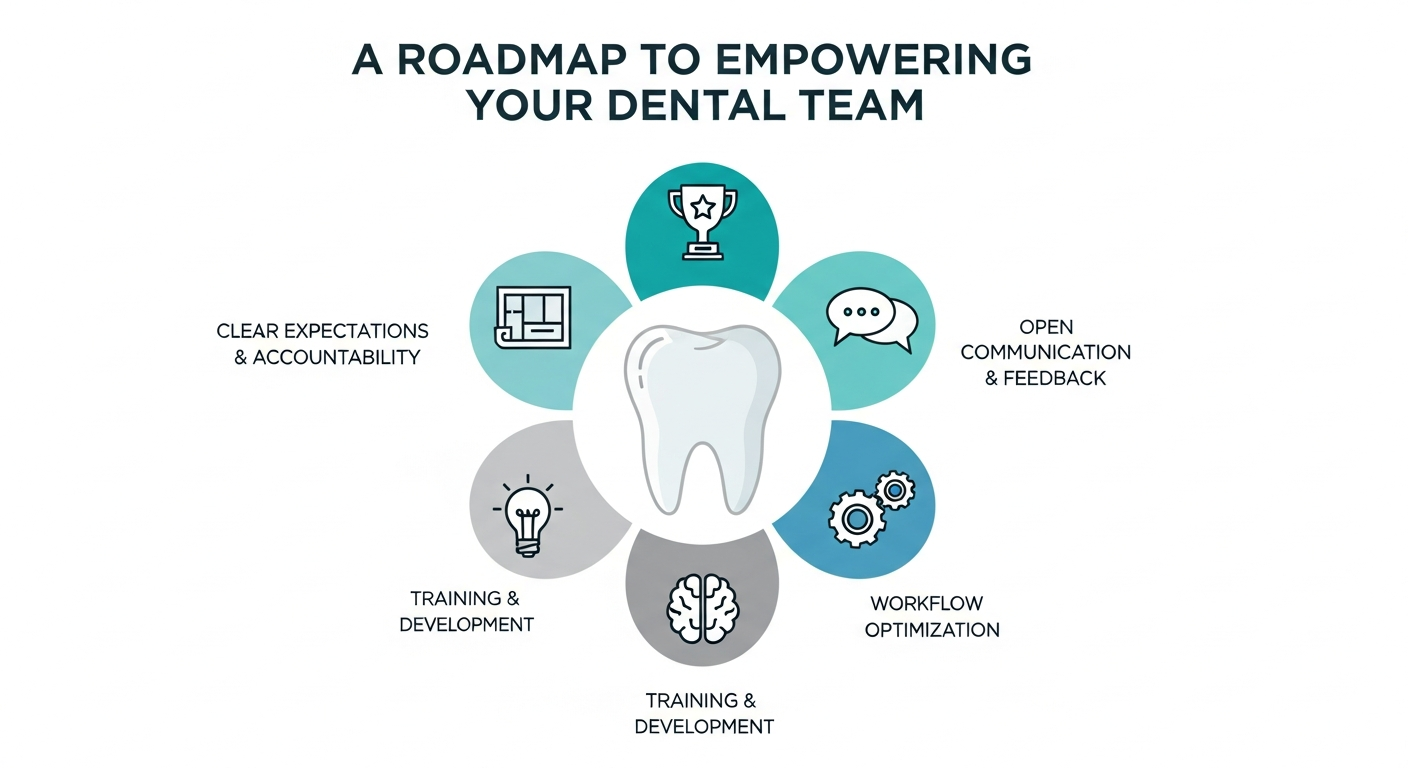 This roadmap outlines the five core strategies for elevating your dental team's performance, from setting clear expectations to fostering long-term engagement.
This guide offers a structured approach to elevating staff performance within your dental practice. We will delve into establishing clear expectations and accountabilities, cultivating a culture of open communication and feedback, empowering your team through targeted training and development, optimizing workflow and operational efficiency, and finally, motivating and engaging your dental team for sustained excellence. By implementing the strategies outlined, combined with a patient engagement software like Flex Dental Solutions, you will gain the tools and insights necessary to transform your team into a cohesive, highly productive unit, capable of delivering outstanding patient care and driving significant practice growth.
Section 1: Establishing a Foundation of Clear Expectations and Accountabilities
The bedrock of any high-performing team is a clear understanding of what is expected and who is accountable for what. Without this foundation, efforts in other areas will be less effective. This section focuses on creating an environment where roles are well-defined, goals are specific, and standards are transparent, ensuring every member of the dental team understands their contribution to the practice's success.
Defining Roles and Responsibilities: No Room for Ambiguity
Ambiguity in roles and responsibilities is a primary source of confusion, conflict, and inefficiency within any dental office. Each member of the dental team, from the front desk to the back, must have a precise understanding of their duties, their authority, and how their role interconnects with others. This clarity ensures that tasks are not duplicated or overlooked, contributing to smoother workflow and a more cohesive practice management strategy. Clearly defining these parameters also empowers staff to take ownership of their responsibilities, fostering accountability and a proactive approach to their work.
Setting SMART Performance Goals: Specific, Measurable, Achievable, Relevant, Time-bound
Performance goals provide direction and a benchmark for success. Employing the SMART framework—Specific, Measurable, Achievable, Relevant, and Time-bound—ensures that goals are not only clearly defined but also practical and trackable. For example, a front desk staff member might have a goal to reduce patient no-show rates by 5% within the next quarter through improved appointment scheduling and proactive patient communication. For a dental assistant, a goal could be to improve the turnaround time for chair setup and breakdown by 10% over the next month. These targeted objectives provide staff with clear targets, allow management to monitor progress, and directly link individual performance to practice objectives like increased productivity and enhanced patient care.
Crafting Effective Job Descriptions: Beyond Basic Duties
Job descriptions should transcend a mere list of tasks. They need to articulate the purpose of the role, its contribution to the dental practice's mission, and the key performance indicators (KPIs) associated with it. A well-crafted job description for a dental hygienist, for instance, should not only detail clinical procedures but also emphasize their role in patient education, identifying potential issues, and fostering patient loyalty through excellent patient care. Similarly, a front desk role should highlight their critical function in managing the patient experience, handling insurance inquiries efficiently, and ensuring seamless appointment scheduling. These comprehensive descriptions serve as a vital tool during hiring, onboarding, performance reviews, and for setting clear expectations for the entire dental team.
Implementing Standard Operating Procedures (SOPs): Consistency in Every Task
Standard Operating Procedures (SOPs) are the backbone of consistency and quality control in a dental office. They provide step-by-step instructions for routine tasks, from patient check-in and sterilization protocols to managing billing and handling insurance claims. Implementing robust SOPs ensures that every staff member performs tasks in the same, most efficient, and safest manner, regardless of who is on duty. This uniformity minimizes errors, enhances productivity, ensures compliance, and contributes significantly to a predictable and high-quality patient experience. Practices with structured operational systems report 30% higher employee retention rates [ChairPulse, 2026], underscoring the value of well-defined processes.
Communicating Performance Standards: Making Expectations Crystal Clear
Once roles, goals, and SOPs are established, the next crucial step is effective communication. Management must actively and consistently communicate performance standards to the entire dental team. This can be achieved through regular team meetings, one-on-one discussions, and by making relevant documentation readily accessible. Transparency about what constitutes successful performance, how it is measured, and the implications for both the individual and the practice fosters an environment of trust and accountability. When staff understand exactly what is expected, they are better equipped to meet and exceed those expectations, directly contributing to improved patient care and overall practice management.
Section 2: Cultivating a Culture of Open Communication and Feedback
A workplace where open communication and constructive feedback are the norm is a fertile ground for growth and high performance. This section explores how to foster such an environment, enabling your dental team to share ideas, address challenges, and continuously improve their contributions to the dental practice.
The Power of Daily Huddles and Regular Team Meetings
Daily huddles, even if brief, are incredibly powerful for aligning the dental team. They provide an opportunity to quickly review the day's schedules, discuss any patient needs or concerns, address immediate operational issues, and set the tone for the day. Regular team meetings, held weekly or bi-weekly, offer a more in-depth forum for discussing broader practice management issues, reviewing performance metrics, sharing successes, and strategizing for future improvements. These consistent touchpoints ensure that everyone is informed, engaged, and working cohesively towards shared practice goals, enhancing overall productivity.
Fostering an Environment for Constructive Feedback: Giving and Receiving
Effective feedback is a cornerstone of performance improvement. It's essential to create an environment where staff feel comfortable giving and receiving constructive criticism without fear of retribution. This involves training management and team leads on how to deliver feedback effectively—focusing on specific behaviors rather than personality, offering actionable suggestions, and maintaining a supportive tone. Equally important is encouraging staff to provide feedback upwards. When team members feel heard and valued, they are more likely to offer insights that can enhance workflow, improve patient care, and boost patient satisfaction.
Developing Active Listening Skills for Improved Patient and Staff Interactions
Active listening is a critical skill for all members of the dental team, impacting both internal collaboration and external patient communication. It means fully concentrating on, understanding, responding to, and remembering what is being said. For front desk staff, active listening ensures accurate information gathering during appointment scheduling and efficient resolution of patient queries. For clinical staff, it builds trust and rapport with patients, leading to better comprehension of their needs and concerns, ultimately enhancing patient satisfaction and patient care. Practicing active listening also improves internal team communication, reducing misunderstandings and fostering stronger working relationships.
Utilizing Communication Tools Effectively: Enhancing Internal and External Dialogue
In today's interconnected world, leveraging communication tools is vital for efficient practice management. This includes using practice management software, such as Open Dental, for internal messaging, task delegation, and patient record updates. Secure email, instant messaging platforms, and even dedicated team communication apps can streamline information flow. Externally, effective use of patient portals, text messaging for appointment reminders, and email newsletters can significantly improve patient communication, manage expectations, and enhance the overall patient experience. When these tools are used strategically, they free up staff time, improve workflow, and ensure timely and accurate information exchange, demonstrating the power of technological communication.
Addressing Conflict Proactively: Strategies for Resolution and Growth
Conflict is inevitable in any collaborative environment, but how it's managed can either hinder or help staff performance. A proactive approach involves recognizing the early signs of conflict and addressing it promptly and constructively. This might involve mediating discussions, clarifying misunderstandings, or providing additional training where skill gaps might be contributing to friction. Rather than viewing conflict as a purely negative event, frame it as an opportunity for growth. Resolving disagreements effectively can lead to stronger team cohesion, improved processes, and a more resilient dental practice. Teaching staff de-escalation techniques and fostering a culture of mutual respect are key to navigating these challenges successfully.
Section 3: Empowering Staff Through Targeted Training and Continuous Development
Investing in your dental team's skills and knowledge is not an expense; it's a strategic investment in the future of your dental practice. This section focuses on identifying training needs, implementing effective onboarding, and fostering a culture of continuous professional development to ensure your staff are equipped to provide the highest level of patient care and contribute to optimal productivity.
Identifying Training Needs: Bridging Skill Gaps for Every Role
The first step in effective training is accurately identifying skill gaps within the dental team. This can be achieved through performance reviews, observation, direct feedback from staff and patients, and by analyzing key practice management metrics. For example, if insurance claim denials are high, the front desk team may need additional training on verification processes and coding. If chairside efficiency is lagging, dental assistants might benefit from specific procedural training. Regularly assessing these needs ensures that training programs are targeted, relevant, and provide the greatest return on investment for the practice.
Structured Onboarding Programs: Setting New Hires Up for Success from Day One
A well-structured onboarding program is critical for integrating new staff into the dental office culture and ensuring they understand their roles, the practice's values, and operational procedures from the outset. This process should go beyond paperwork and initial introductions. It should include comprehensive training on practice management software, SOPs, patient communication protocols, and the specifics of their role. A strong onboarding process can significantly reduce early turnover and accelerate a new hire's path to full productivity, contributing positively to team morale and workflow.
Continuous Professional Development: Investing in Your Dental Team's Future
The field of dentistry is constantly evolving, with new techniques, technologies, and best practices emerging regularly. Continuous professional development (CPD) is essential for keeping the dental team at the forefront of the industry. This can encompass attending workshops, seminars, webinars, and online courses. Encouraging and supporting CPD not only enhances staff skills and knowledge, leading to better patient care, but also demonstrates a commitment to their professional growth, boosting engagement and retention. Investing in CPD is investing in the long-term success and adaptability of your dental practice.
Role-Specific Training: Enhancing Expertise for Hygienists, Assistants, and Front Desk Staff
Each role within the dental team has unique demands and requires specialized skills. Tailored training programs are crucial for maximizing performance in each area. For dental hygienists, this might involve advanced techniques in periodontology or specialized patient education strategies. Dental assistants could benefit from training on new equipment, advanced chairside assisting, or infection control protocols. Front desk staff require ongoing training in patient communication, customer service, insurance processing, appointment scheduling, and utilizing the practice management software to its full potential. Role-specific training ensures that each team member is an expert in their domain, contributing to overall productivity and patient satisfaction.
Cross-Training Initiatives: Building a Versatile and Resilient Team
Cross-training involves equipping staff members with the skills to perform tasks outside their primary role. While it requires an initial investment of time, the benefits for a dental practice are substantial. A cross-trained team is more versatile, able to step in and support colleagues during busy periods or staff absences, ensuring continuity of operations and minimizing disruptions to patient care. This also fosters a deeper understanding and appreciation among team members for each other's roles, strengthening team cohesion and improving overall workflow. For instance, a front desk staff member cross-trained in basic sterilization procedures can offer support during peak times in the clinical area.
Leveraging Digital Tools and EHRs: Maximizing Technology Adoption for Performance
Modern dental practices rely heavily on digital tools, including Electronic Health Records (EHRs) and practice management software. Effective adoption and utilization of these technologies are critical for enhancing staff performance. Training should focus not just on the basic functionalities but on how these tools can be leveraged to improve workflow, streamline patient communication, optimize appointment scheduling, manage insurance information accurately, and provide valuable data for practice management. When staff are proficient with these digital resources, productivity increases, administrative burdens decrease, and the quality of patient care is elevated.
Section 4: Optimizing Workflow and Operational Efficiency for Enhanced Performance
Efficient workflow and optimized operations are the silent heroes of a high-performing dental practice. This section explores practical strategies for streamlining processes, reducing waste, and enhancing the overall operational efficiency, directly impacting staff productivity and the patient experience.
Streamlining Appointment Scheduling and Patient Flow
Effective appointment scheduling is fundamental to a smooth workflow and optimal patient flow. Overbooking or underbooking can lead to frustrated patients and stressed staff. Implementing intelligent scheduling systems, utilizing patient recall systems effectively, and managing appointment lengths realistically are crucial. Analyzing patient arrival and departure times can reveal bottlenecks. Furthermore, clear communication protocols for appointment reminders and cancellations help minimize no-shows, thereby maximizing chair utilization and overall practice productivity. A well-managed schedule directly contributes to a positive patient experience.
Enhancing Patient Experience Through Efficient Front Desk Operations
The front desk is the gateway to the dental office, and its efficiency profoundly shapes the patient experience. Efficient front desk operations encompass prompt greeting, accurate check-in/check-out processes, clear communication about treatment plans and billing, and seamless handling of insurance inquiries. Utilizing practice management software effectively for managing patient data, verifying insurance eligibility proactively, and handling payments efficiently reduces administrative load and patient wait times. A positive interaction at the front desk sets a welcoming tone for the entire visit, contributing significantly to patient satisfaction.
Applying Lean Management Principles: Eliminating Waste and Boosting Productivity
Lean management principles, adapted from manufacturing, focus on maximizing value while minimizing waste. In a dental practice, this translates to identifying and eliminating inefficiencies in workflow, such as unnecessary steps, excessive waiting times, overproduction of materials, or inefficient inventory management. By analyzing processes with a lean mindset, management can identify opportunities to streamline tasks, reduce redundancy, and optimize resource utilization. This not only boosts overall productivity but also reduces stress on the dental team and enhances the patient experience by ensuring timely and efficient service delivery.
Inventory Management and Supply Chain Efficiency: Supporting Uninterrupted Patient Care
Effective inventory management ensures that the dental office has the necessary supplies on hand without overstocking, which can lead to waste and increased costs. Implementing a robust system for tracking inventory, setting reorder points, and managing supplier relationships is crucial. Efficient supply chain management guarantees that materials for procedures and ongoing patient care are consistently available, preventing disruptions to the schedule and clinical workflow. This seemingly administrative task directly supports the clinical team's ability to provide uninterrupted, high-quality dentistry.
Section 5: Motivating and Engaging Your Dental Team for Sustained Excellence
A motivated and engaged dental team is the cornerstone of a thriving dental practice. This section explores strategies to foster a positive work environment, recognize contributions, and support the well-being of your staff, leading to sustained high performance and reduced turnover. Practices with structured operational systems report 30% higher employee retention rates [ChairPulse, 2026], highlighting the impact of a positive work environment.
Implementing Recognition and Reward Systems
Acknowledging and rewarding exceptional performance is a powerful motivator. This can range from simple verbal praise and public recognition during team meetings to more formal reward systems, such as bonuses tied to achieving specific practice goals, employee of the month programs, or offering additional paid time off. Recognizing consistent effort, dedication to patient care, and contributions to workflow improvements reinforces desired behaviors and fosters a culture where excellence is valued and celebrated. This directly impacts staff morale and their commitment to the dental practice.
Providing Opportunities for Career Growth and Advancement
Staff members are more likely to remain engaged and motivated when they see a clear path for career growth within the dental practice. This could involve offering opportunities for advanced training, cross-training initiatives, or pathways to leadership roles, such as lead dental assistant or office manager. Clearly outlining potential career trajectories within the practice and providing the necessary support and development for staff to achieve these goals demonstrates a commitment to their long-term professional development and fosters loyalty.
Promoting Work-Life Balance and Preventing Burnout
The demanding nature of dentistry can lead to burnout if work-life balance is not actively promoted. Management plays a crucial role in creating a culture that respects personal time. This can involve ensuring realistic schedules, encouraging the use of vacation time, and fostering an environment where staff feel supported and not pressured to be constantly available outside of work hours. Implementing efficient workflow and utilizing technology can reduce the overall workload, contributing to better work-life balance and reducing stress. When staff feel their well-being is prioritized, their engagement and performance in the dental office improve.
Encouraging Teamwork and Collaboration
A strong sense of teamwork is vital for any dental team. Fostering an environment where staff collaborate effectively, support each other, and share a common vision for patient care enhances both productivity and job satisfaction. This can be achieved through team-building activities, encouraging open communication channels, and ensuring that performance metrics reward collective success as well as individual contributions. When staff feel like they are part of a supportive and collaborative unit, they are more invested in the success of the entire dental practice.
Soliciting and Acting on Staff Feedback
Empowering your dental team also means actively seeking their input on all aspects of practice management, from workflow improvements to patient communication strategies. Regularly solicit feedback through anonymous surveys, suggestion boxes, or dedicated feedback sessions. Crucially, demonstrate that this feedback is valued by acting upon it where feasible. Implementing suggestions from the staff shows that their insights are respected and that their contributions are essential to the ongoing improvement of the dental office. This fosters a sense of ownership and significantly boosts engagement.
Conclusion
Elevating staff performance is not a singular initiative but a continuous journey that forms the bedrock of a successful and thriving dental practice. By establishing clear expectations, fostering open communication, investing in targeted training, optimizing operational workflow, and prioritizing staff motivation and engagement, you create a powerful synergy that benefits everyone. A high-performing dental team directly translates to enhanced patient care, increased patient satisfaction, greater productivity, and sustained practice growth. Remember, the dental office is a human-centered environment, and investing in your staff is the most strategic investment you can make. Start by implementing one or two key strategies, measure their impact, and gradually build upon your successes. The journey to an exceptional dental team and a flourishing practice begins with a commitment to continuous improvement and a deep understanding of the invaluable role your staff plays.