Introduction: The Heartbeat of Your Dental Practice
An efficient, well-managed schedule is the heartbeat of any successful dental practice. It dictates the flow of patients, optimizes the use of valuable resources, and directly influences both staff morale and patient satisfaction. In an era where patient expectations are shaped by on-demand digital services, the traditional appointment book and endless games of phone tag are no longer sustainable. The right dental scheduling solution has become an indispensable tool for modern practice management, acting as the central nervous system that connects administrative efficiency with exceptional patient care.
1. The Evolving Landscape of Dental Scheduling
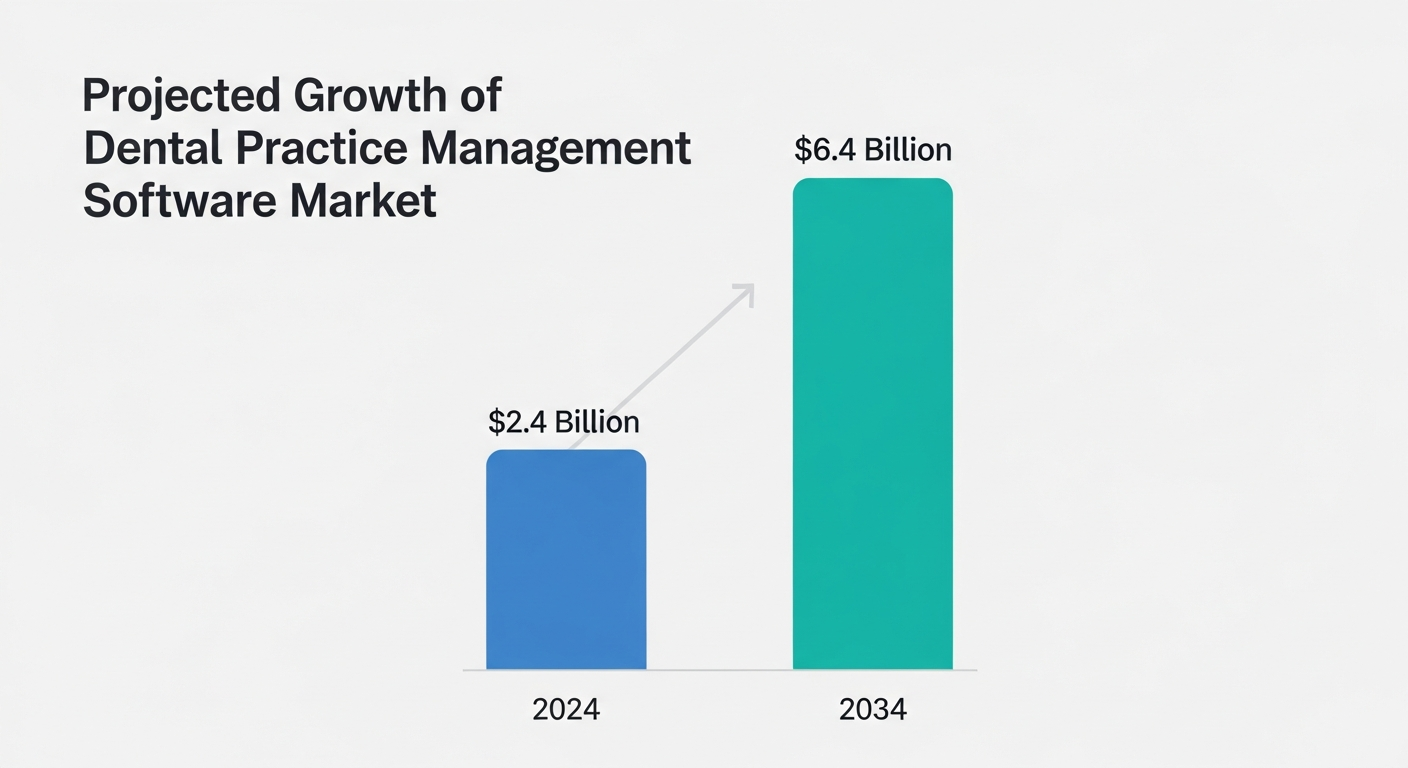 The market for dental practice management software is projected to more than double in the next decade, driven by rising patient expectations for digital convenience.
The dental industry is undergoing a significant transformation. Patients now expect the same level of convenience from their dental office as they do from retail or banking. This means 24/7 access, instant confirmations, and seamless digital communication. The global market for dental practice management software reflects this shift, with projections showing substantial growth from USD 2.4 billion in 2024 to an expected USD 6.4 billion in 2034. This growth is driven by the need for practices to adapt to these new digital-first expectations and streamline their operations to remain competitive.
2. Why the Right Solution is No Longer Optional
Choosing an advanced scheduling solution, such as FlexSchedule + Flex Dental Solutions, is no longer a luxury; it's a strategic necessity. An outdated or inefficient system creates friction at every touchpoint. It frustrates patients trying to book an appointment, burdens administrative staff with manual tasks, and leads to costly errors like double-bookings or missed follow-ups. In contrast, the right scheduling software enhances every aspect of the practice. It improves the patient experience from the very first interaction, empowers the dental team by automating repetitive work, and provides the data-driven insights needed for sustainable growth.
3. What You'll Discover in This Guide
This comprehensive guide is designed to navigate the complexities of choosing the ideal dental scheduling solution for your unique practice. We will move beyond a simple list of features to explore the transformative power of smart scheduling. We'll delve into the essential functionalities, strategic considerations for selection, and the direct impact a modern system has on patient acquisition and retention. By the end, you'll have a clear framework for evaluating options and selecting a partner that will help you build a more efficient, patient-centric, and profitable practice.
Beyond the Basics: The Transformative Power of Smart Scheduling for Practice Growth
Modern dental scheduling software, such as FlexSchedule + Flex Dental Solutions, is far more than a digital calendar; it's a powerful engine for practice growth. By moving beyond basic appointment scheduling, these platforms address fundamental operational challenges and deliver a measurable return on investment, fundamentally changing how a dental office operates and interacts with its patients.
1. Tackling Core Practice Pain Points Head-On
Every dental practice manager is familiar with the persistent challenges that undermine efficiency and profitability. Last-minute cancellations and no-shows are a primary concern, with around 8 out of 10 dentists citing them as the top reason for an unfilled schedule. The financial impact is significant, with some estimates suggesting dental practices can lose as much as $150,000 annually from no-shows alone. Furthermore, the administrative burden of manually managing the schedule—including endless phone calls, reminder confirmations, and follow-ups—consumes valuable staff time that could be dedicated to higher-value patient engagement and care coordination. Smart scheduling solutions directly attack these pain points with automated reminders, waitlist management, and easy online rescheduling options.
2. Unlocking Tangible ROI: Boosting Your Bottom Line
Investing in the right scheduling software is not an expense; it's a direct investment in your practice's financial health. The return on investment (ROI) is realized through several key channels. First, reducing no-shows dramatically increases revenue. Practices that use automated reminders often report a 30-40% reduction in their no-show rates. Second, by automating scheduling tasks, you free up front-office staff to focus on more productive activities like processing claims, discussing treatment plans, and improving the in-office patient experience. This operational efficiency means your team can manage a higher volume of patients without increasing headcount, directly impacting your bottom line. Finally, by filling open slots in the schedule more effectively, you maximize practitioner productivity and ensure your practice operates at its full potential.
Essential Features: The Anatomy of a High-Performing Dental Scheduling Solution
When evaluating dental scheduling software, such as FlexSchedule + Flex Dental Solutions, it's crucial to look past the marketing claims and focus on the core functionalities that will deliver the most value to your patients and your team. A high-performing solution is built on three pillars: empowering patients, optimizing internal workflows, and integrating seamlessly with your existing technology.
1. Empowering Patients Through Self-Service and Communication
Today's patients demand convenience and control. A modern scheduling system meets this demand by providing robust self-service options. This starts with 24/7 online scheduling, a feature that is highly sought after; research shows that 77% of patients are more likely to choose a provider that offers this capability. Patients should be able to view real-time availability and book, confirm, or reschedule appointments from any device without having to call the office. Beyond booking, the platform must facilitate clear and secure patient communication. Features like two-way texting for quick questions, automated appointment reminders via text or email, and digital form submission prior to the visit all contribute to a frictionless and positive patient experience.
2. Optimizing Your Practice's Internal Scheduling Workflow
While patient-facing features are critical, the solution must also be a powerful tool for your internal team. An intuitive, color-coded, drag-and-drop interface is essential for at-a-glance schedule management. The system should allow for the creation of custom appointment blocks for specific procedures, ensuring the correct amount of time and resources are allocated. Advanced features like automated waitlists can instantly notify patients of last-minute openings, helping to fill gaps created by cancellations. The ability to manage schedules for multiple providers and locations from a single dashboard is crucial for growing practices. Ultimately, the software should simplify complex scheduling tasks, reduce the potential for human error, and provide your team with a clear, real-time view of the entire practice's operations.
3. Seamless Integration with Your Dental Technology Ecosystem
A scheduling solution, such as FlexSchedule + Flex Dental Solutions, cannot operate in a vacuum. Its true power is unlocked through deep and seamless integration with your core practice management software (PMS), like Open Dental. This integration is the cornerstone of efficiency, eliminating the need for duplicate data entry and ensuring that all patient information is consistent and up-to-date across systems. When a patient books an appointment online, their details should automatically populate in the PMS. When an appointment is completed, the scheduling system should know to trigger post-visit follow-ups. This bidirectional data flow ensures accuracy, saves countless administrative hours, and creates a unified platform for managing every aspect of the patient journey, from initial contact to ongoing patient care.
Strategic Considerations for Choosing Your Ideal Solution
Selecting the right scheduling software, such as FlexSchedule + Flex Dental Solutions, involves more than just comparing feature lists. It requires a strategic evaluation of how the solution will fit into your practice's long-term vision, technological infrastructure, and daily operations. Key considerations around accessibility, security, scalability, and user experience will determine the success of your implementation.
Security and Compliance: Non-Negotiable Foundations
In healthcare, the security of patient information is paramount. Any scheduling solution you consider must be fully compliant with the Health Insurance Portability and Accountability Act (HIPAA). This is non-negotiable. Look for vendors that can clearly articulate their security protocols, including data encryption (both in transit and at rest), secure data centers, role-based access controls, and regular security audits. A HIPAA-compliant platform protects your patients' sensitive data and safeguards your practice from severe legal and financial penalties associated with data breaches. Ask potential vendors for their Business Associate Agreement (BAA) and details on how they ensure ongoing compliance.
Scalability, Customization, and Multi-Location Support
Your practice is not static; it will grow and evolve. The scheduling software you choose today must be able to support your vision for tomorrow. Consider whether the system can easily scale to accommodate additional providers, staff members, or even new office locations without requiring a complete overhaul. Look for customization options that allow you to tailor the software to your specific workflows, appointment types, and provider schedules. If you operate or plan to operate a multi-location practice, centralized scheduling capabilities are essential. The ability to view and manage appointments across all locations from a single interface is critical for operational efficiency and consistent patient experience.
User Experience for Your Team: The Human Element of Technology
Even the most feature-rich software will fail if your team finds it difficult or frustrating to use. The user experience (UX) is a critical factor for successful technology adoption. The platform should be intuitive, with a clean interface and logical navigation that minimizes the learning curve. During a demo, pay close attention to how many clicks it takes to perform common tasks like booking an appointment, rescheduling a patient, or sending a message. A well-designed system will feel like an extension of your team's workflow, not an obstacle to it. Involving your front office manager and key staff in the evaluation process can provide invaluable insights into the day-to-day usability of a potential solution.
Vendor Support, Training, and Transparent Pricing
A software solution, such as FlexSchedule + Flex Dental Solutions, is only as good as the company that stands behind it. Evaluate the vendor's reputation for customer support and training. Do they offer comprehensive onboarding to get your team up to speed? Is support readily available via phone, email, or chat when you need it? A strong partnership with your vendor is key to long-term success. Finally, ensure you have a clear understanding of the pricing structure. Look for transparent, all-inclusive pricing without hidden fees for updates, support, or data storage. A reputable vendor will be upfront about the total cost of ownership, allowing you to make an informed financial decision.
Enhancing Patient Acquisition and Retention with Smart Scheduling
An advanced scheduling system, such as FlexSchedule + Flex Dental Solutions, does more than manage your calendar; it's a dynamic tool for growing your patient base and fostering long-term loyalty. By improving your online visibility, automating patient recalls, and personalizing communication, it becomes a cornerstone of your practice's marketing and patient engagement strategy.
Leveraging Online Visibility for New Patient Growth
In the digital age, your practice's online presence is your most powerful patient acquisition tool. The journey for a new patient often begins with a Google search. A scheduling solution that integrates with your website and online listings allows prospective patients to book an appointment the moment they find you, capturing their interest when intent is highest. This immediate call-to-action converts searchers into scheduled patients without the friction of a phone call. By making appointment scheduling accessible and effortless, you significantly increase the conversion rate of your online marketing efforts and attract a steady stream of new patients to your practice.
Streamlining Patient Recalls and Follow-ups
Patient retention is the bedrock of a stable and profitable practice. The average dental practice contends with an attrition rate of 17%, but a proactive recall strategy can drastically improve this number. A smart scheduling system automates the entire recall process. It can identify patients who are due for their next hygiene appointment and automatically send them a personalized text or email with a direct link to book online. This eliminates the manual effort of phone call follow-ups and makes it incredibly easy for patients to stay on track with their preventative care. This consistent, automated outreach keeps your schedule full and ensures patients remain active and engaged with your practice.
Personalized Engagement and Positive Patient Experience
Every interaction a patient has with your dental office shapes their overall perception and loyalty. A modern scheduling platform enhances the patient experience by facilitating personalized and timely communication. From the initial booking confirmation to pre-appointment instructions, post-treatment follow-ups, and requests for feedback, automated messaging keeps patients informed and feeling valued. This consistent engagement builds trust and transforms the relationship from a transactional service to a genuine healthcare partnership. A positive, seamless experience not only ensures patients return but also turns them into advocates for your practice, driving powerful word-of-mouth referrals.
Implementing Your Chosen Solution: A Strategic Rollout for Seamless Integration
Selecting the right scheduling software is only the first step. A thoughtful and strategic implementation plan is essential to ensure a smooth transition, maximize user adoption, and realize the full potential of your investment. A successful rollout hinges on careful planning, comprehensive training, and meticulous data management.
Mapping Your Workflow: Planning for a Smooth Transition
Before you begin the implementation, take the time to map out your current scheduling workflows. Identify all the steps involved, from a new patient's first call to a returning patient's recall appointment. This exercise will help you identify inefficiencies in your current process and determine how the new software can best be configured to optimize your operations. Work with your chosen vendor to customize the system's settings, appointment types, and communication templates to align with your practice's specific needs. A clear plan for this transition period will minimize disruption to your daily operations and set the stage for a successful launch.
Comprehensive Staff Training and Buy-in
Your team is the most critical element in the successful adoption of new technology. To ensure their buy-in, involve them early in the process and clearly communicate the benefits of the new system—not just for the practice, but for them personally. Emphasize how it will reduce their administrative workload and free them up for more meaningful patient interactions. Schedule dedicated, hands-on training sessions with the vendor, allowing ample time for questions and practice. Create "super-users" within your team who can act as go-to resources for their colleagues. When your staff feels confident and empowered with the new tool, they become its biggest champions.
Data Migration and System Synchronization
A clean and accurate data migration is crucial for a seamless transition. Work closely with your vendor to develop a plan for transferring existing patient information and appointment histories from your old system to the new one. This process requires careful validation to ensure data integrity. Before going live, conduct thorough testing of the integration between your new scheduling software and your practice management system. Verify that appointments made in the new system appear correctly in the PMS, like Open Dental, and that patient data syncs accurately in both directions. A meticulous approach to data migration and synchronization prevents errors and ensures continuity of care from day one.
Future-Proofing Your Practice: Embracing the Evolution of Dental Scheduling
The technology landscape is constantly evolving, and dental practice management is no exception. To maintain a competitive edge, practices must not only adopt current technologies but also anticipate future trends. Future-proofing your practice means choosing a scheduling solution that is prepared for the next wave of innovation in artificial intelligence, patient expectations, and data analytics.
The Rise of AI and Machine Learning in Scheduling
Artificial intelligence (AI) is set to revolutionize dental scheduling. The adoption of AI is already growing, with 35% of U.S. dental practices having implemented some form of it. In scheduling, AI algorithms can analyze historical data to predict the likelihood of cancellations and proactively suggest double-booking low-risk slots. It can optimize the daily schedule for maximum productivity by intelligently arranging appointments based on procedure type and required resources. As AI technology matures, it will offer increasingly sophisticated tools for predictive scheduling and operational optimization, making it a key feature to look for in a forward-thinking platform.
Adapting to Evolving Patient Expectations
Patient expectations will continue to be shaped by their experiences in other industries. The demand for instant, personalized, and mobile-first interactions will only increase. Future-proof scheduling systems will need to offer deeper integrations with patient communication platforms, enabling more sophisticated and personalized outreach. This could include things like automated birthday wishes, targeted educational content based on a patient's treatment history, and integrated teledentistry options. A practice that can adapt to these evolving expectations and deliver a hyper-convenient, personalized patient experience will build stronger relationships and a more loyal patient base.
Leveraging Analytics for Continuous Improvement
The data generated by your scheduling system is a goldmine of insights. A future-focused platform will provide robust analytics and reporting tools that allow you to move beyond simply managing appointments to strategically managing your practice. You should be able to track key performance indicators (KPIs) such as no-show rates by provider, peak booking times, new patient acquisition sources, and the success rate of your recall campaigns. By leveraging this data, you can make informed decisions to optimize your schedule, refine your marketing efforts, and continuously improve every aspect of your practice management.
Conclusion
Choosing the right dental scheduling solution, such as FlexSchedule + Flex Dental Solutions, is one of the most impactful decisions a practice owner can make. It is an investment that transcends simple calendar management, fundamentally reshaping the patient experience, empowering your administrative team, and driving measurable practice growth. The ideal system is not merely a piece of software; it's a strategic partner that addresses core pain points like no-shows and administrative overload while unlocking new opportunities for patient acquisition and retention.
As you evaluate your options, look beyond the feature checklist. Prioritize a solution that offers a seamless, intuitive experience for both your patients and your staff. Insist on non-negotiable foundations like robust HIPAA compliance and deep integration with your existing practice management software.
The next step is to conduct a thorough assessment of your current scheduling workflow. Identify the friction points and inefficiencies that hold your practice back. Engage your team in the process and begin exploring solutions that align with your goal of building a more efficient, patient-centric, and future-proof practice. By making a strategic choice today, you lay the foundation for a more productive, profitable, and successful tomorrow.