Boost Dental Practice Efficiency with VoIP & Texting Solutions
The modern dental practice operates in a landscape dramatically reshaped by evolving patient expectations and the pervasive influence of digital communication. Patients today expect convenience, speed, and personalization in every interaction, mirroring their experiences in other service industries. This shift places immense pressure on dental practices to move beyond traditional, often cumbersome, communication methods. Outdated phone systems and manual outreach processes can lead to missed appointments, decreased patient satisfaction, and significant inefficiencies that drain valuable resources. To thrive and deliver exceptional patient care, dental practices must embrace technologies that streamline operations, enhance engagement, and ensure secure, compliant communication. Voice over Internet Protocol (VoIP) phone systems, like Mango Voice, and integrated texting solutions offer a powerful, synergistic approach to modernizing dental communication, directly addressing these critical needs and unlocking new levels of operational efficiency and patient satisfaction.
The Evolving Landscape of Patient Expectations
Today’s patients are digital natives who expect seamless, on-demand communication. They are accustomed to the instant gratification offered by smartphones and online services. This translates directly to their healthcare interactions. Patients now anticipate the ability to book appointments online, receive timely reminders via their preferred channel, and communicate with their dental provider without facing lengthy hold times or playing phone tag. They value transparency and convenience, preferring to handle routine communications through text messages or a user-friendly online portal rather than solely relying on traditional phone calls. This evolving dynamic necessitates that dental practices adapt their communication strategies to meet these modern expectations, ensuring they remain competitive and patient-centric. Failure to do so risks alienating a significant portion of the patient base and falling behind more agile competitors.
The Imperative for Streamlined Practice Operations
Beyond patient expectations, the internal operational demands on dental practices are significant. The front office, often the hub of patient interaction, is frequently overwhelmed with a high volume of phone calls, appointment scheduling, insurance verification, and administrative tasks. This constant multitasking can lead to errors, decreased staff morale, and a compromised ability to provide personalized attention to patients present in the office. Streamlining these operations is not merely about efficiency; it's about optimizing the allocation of staff time, reducing burnout, and freeing up valuable human resources to focus on delivering high-quality patient care. When administrative burdens are reduced, dental teams can dedicate more attention to clinical needs, patient comfort, and building stronger patient relationships, ultimately contributing to a more positive and productive practice environment.
How VoIP and Texting Solutions Revolutionize Dental Practices
Voice over Internet Protocol (VoIP) and integrated texting solutions represent a dual-pronged strategy to revolutionize dental practice operations. VoIP leverages internet connectivity to deliver advanced phone system features that far surpass traditional landlines, offering flexibility, enhanced call management, and significant cost savings. Complementing VoIP, texting provides a direct, immediate, and preferred channel for patient communication, drastically improving engagement and reducing costly no-shows. Together, these technologies create a powerful, integrated communication ecosystem. They empower dental practices to manage patient interactions more effectively, reduce administrative overhead, enhance patient satisfaction, and ultimately, elevate the standard of patient care by ensuring no patient is left behind and every interaction is as smooth and efficient as possible.
The Foundation: Unleashing VoIP's Potential for Your Dental Clinic
VoIP technology has moved beyond a mere alternative to traditional phone lines; it has become a strategic asset for businesses across all sectors, including specialized fields like dentistry. For dental practices, adopting a VoIP phone system is a foundational step toward modernizing operations and enhancing communication capabilities. It offers a robust platform that not only handles essential phone calls but also introduces a suite of features designed to boost efficiency, improve patient engagement, and ensure secure data handling, all while often presenting a more cost-effective solution than legacy systems. Understanding the core of VoIP and its advanced applications is crucial for any dental practice looking to optimize its daily workflow and elevate its patient support.
Beyond Basic Phone Calls: What is VoIP?
VoIP, or Voice over Internet Protocol, like Mango Voice, is a technology that enables voice communications to be transmitted over the internet rather than through traditional analog phone lines. This means that phone calls are converted into digital packets and sent across the internet, offering immense flexibility and a range of advanced features. Unlike standard phone systems, VoIP solutions are typically cloud-based, meaning they can be accessed and managed from anywhere with an internet connection, offering unparalleled mobility and scalability for dental practices. This shift from physical copper wires to digital data streams unlocks capabilities that traditional phone systems simply cannot match, making it an essential tool for modernizing communication infrastructure.
Core Advantages of VoIP for Dental Practices
The advantages of adopting a VoIP phone system for dental practices are numerous and directly address common operational challenges. Firstly, cost savings are often significant. VoIP services typically offer lower per-minute rates for calls, especially for long-distance or international communication, and often include unlimited local calling as part of monthly plans. Furthermore, it eliminates the need for expensive on-site hardware maintenance and reduces the requirement for dedicated phone lines, simplifying the overall infrastructure.
Secondly, scalability and flexibility are paramount. As a dental practice grows, adding new phone lines or extensions with a VoIP system is a simple, quick process, often managed through a web portal. This contrasts sharply with the complex and costly installation required for traditional systems. This adaptability ensures that the communication infrastructure can evolve seamlessly with the practice.
Thirdly, enhanced features are a major benefit. VoIP systems come equipped with advanced functionalities such as call routing based on availability, time of day, or caller ID, ensuring that patient calls are directed to the most appropriate staff member or department efficiently. Features like call forwarding, voicemail-to-email, and conference calling streamline internal and external communication.
Finally, mobility and remote work capabilities are increasingly important. With cloud-based VoIP, dentists and staff can make and receive calls from anywhere, using softphones on computers or mobile apps on smartphones, ensuring continuity of communication even when away from the primary practice location. This also facilitates remote work for administrative staff, offering greater flexibility and support options.
Advanced VoIP Features for Dental Efficiency
Beyond the core advantages, advanced VoIP features, like the ones available with Mango Voice, offer specific enhancements tailored to the needs of a dental practice. Intelligent call routing can be configured to direct new patient inquiries to the front desk, existing patient follow-ups to hygienists or assistants, and urgent calls to dentists, all based on pre-set rules. This ensures faster, more accurate call handling and improves patient experience by connecting them with the right person quickly.
Voicemail-to-text transcription is another invaluable feature. Instead of listening to voicemails, staff receive transcriptions directly to their email or a dedicated messaging system. This saves time, allows for quicker responses, and ensures no critical patient message is missed due to misheard details.
Integrated texting capabilities within a VoIP system, like Mango Voice, offer a unified platform for both voice and text communications. This allows staff to send and receive patient messages directly from their desktop or mobile app, maintaining a single thread of communication and simplifying record-keeping. This integration is key to modernizing patient outreach.
Furthermore, auto-attendant or virtual receptionist features can handle initial calls with pre-recorded greetings and menu options, guiding callers to the correct extension or department. This reduces the burden on the front desk and provides patients with immediate information or directs them efficiently. A comprehensive dashboard interface provides real-time insights into call volume, wait times, call status, and staff availability, empowering practice managers with data to optimize staffing and workflows.
Ensuring Data Security: HIPAA-Compliant VoIP Phone Systems
For any healthcare provider, HIPAA compliance is non-negotiable, and this extends to communication systems. A HIPAA-compliant VoIP phone system is designed with robust security measures to protect sensitive patient data. This typically involves end-to-end encryption for calls and messages, secure data storage, and strict access controls. When choosing a VoIP provider, it is essential to ensure they are willing to sign a Business Associate Agreement (BAA), which outlines their responsibilities in safeguarding Protected Health Information (PHI). Features like call recording with consent and audit trails also contribute to compliance, providing a secure and accountable communication environment that protects both the practice and its patients.
The Power of Texting: Elevating Patient Engagement and Reducing No-Shows
While VoIP systems, like Mango Voice, provide the robust infrastructure for voice communication, the advent of mobile technology has made direct patient texting an indispensable tool for modern dental practices. Texting offers a unique advantage: it is immediate, personal, and highly effective for conveying concise information, making it ideal for a range of administrative and patient engagement tasks that directly impact practice efficiency and revenue.
Why Texting is Essential for Modern Dental Practices
Patients today overwhelmingly prefer texting for quick, non-urgent communications. This preference is driven by convenience and the ability to respond at their leisure. For dental practices, leveraging this preference translates into a significant improvement in patient engagement and a drastic reduction in appointment no-shows. Traditional methods like phone calls for appointment reminders often result in missed calls, voicemail delays, and ultimately, empty chairs. Texting bypasses these issues, offering a direct line to the patient. It enables the practice to confirm appointments, send pre-appointment instructions, gather post-appointment feedback, and even facilitate payments. This consistent, immediate communication fosters a sense of connection and reinforces the practice's commitment to patient convenience and care.
Navigating HIPAA: Secure and Reliable Texting Solutions
The critical concern for any dental practice when adopting texting is HIPAA compliance. Sending sensitive patient data via unsecured text messages can lead to serious privacy breaches and legal ramifications. However, HIPAA-compliant texting solutions are specifically designed to address these challenges. These platforms utilize secure, encrypted channels for transmitting messages, often integrating directly with the practice's Electronic Health Record (EHR) or Dental Practice Management System (PMS), such as Open Dental. They ensure that any communication containing PHI is handled with the same level of security as other patient records. Key features include secure messaging interfaces, audit trails of all communications, and the ability to obtain explicit patient consent for electronic communication. By choosing a secure and reliable texting solution, dental practices can harness its benefits without compromising patient privacy or regulatory adherence.
Key Texting Applications for Optimized Dental Practice Management
The applications of secure texting within a dental practice are diverse and impactful. Appointment reminders are perhaps the most common and effective use. Sending automated text reminders 24-48 hours before an appointment significantly reduces no-show rates. Practices can also send confirmation requests, prompting patients to reply with a simple "Y" or "N," allowing front desk staff to quickly identify and fill last-minute openings.
Beyond reminders, texting facilitates pre-appointment instructions. Patients can receive information about what to bring, insurance details to prepare, or specific pre-procedure guidelines (e.g., fasting instructions for certain dental procedures). This ensures patients arrive prepared, saving time during their visit.
Post-procedure follow-ups are another powerful application. Practices can send texts to check on patient recovery, provide care instructions, or solicit feedback on their experience. This proactive approach demonstrates enhanced patient care and can identify potential complications early.
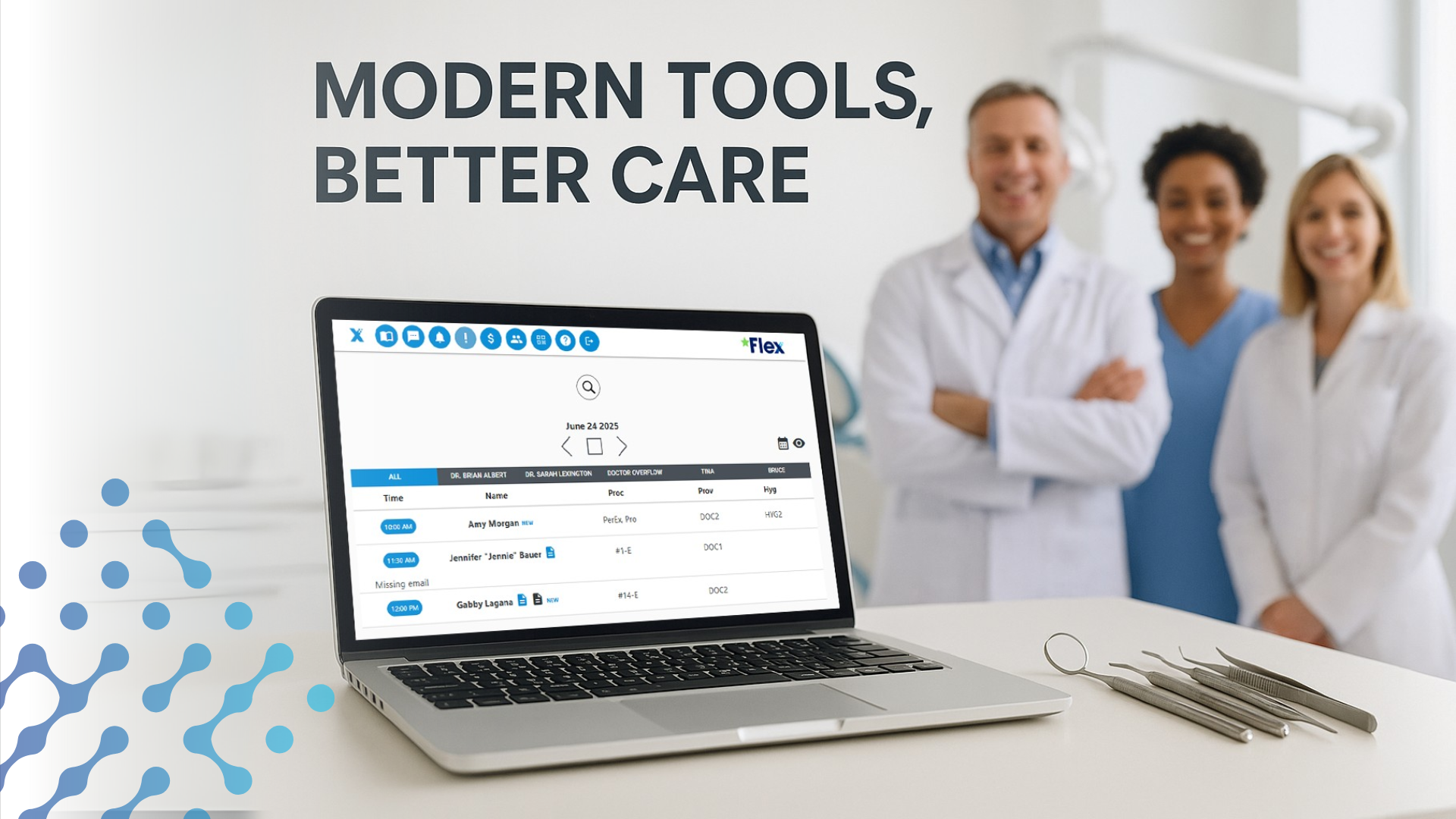
Recall campaigns for routine check-ups and cleanings can be automated via text, ensuring a steady stream of patients for preventive care. Furthermore, texting can be used for appointment confirmations, rescheduling requests, and even for delivering simple educational content or marketing messages (with proper consent). Some systems, such as Flex Dental Solutions, even allow for quick patient surveys via text, gathering valuable feedback to improve services. These applications collectively streamline practice management by automating routine communication tasks and enhancing patient engagement.
The Synergistic Advantage: Integrating VoIP & Texting for Maximum Impact
While VoIP and texting solutions offer significant benefits individually, their true power is unleashed when they are integrated, creating a unified communication ecosystem. This synergy transforms how dental practices manage patient interactions, moving beyond disparate tools to a cohesive system that enhances efficiency, streamlines workflows, and provides a comprehensive view of patient communications. The integration allows for seamless data flow, automated processes, and actionable insights that simply aren't possible with standalone solutions.
The Integrated Communication Ecosystem: More Than Standalone Tools
An integrated communication ecosystem treats VoIP and texting not as separate utilities, but as interconnected components of a single, intelligent system. This means that a patient’s communication history—whether a voice call, a voicemail, or a text message—can be viewed and managed from a central dashboard. This unified approach prevents information silos and ensures that no patient communication falls through the cracks. For the front desk staff, this means a less fragmented workflow; they can manage incoming calls, respond to texts, and access patient records all from one interface. This holistic view empowers them to provide more informed and efficient support to patients, enhancing the overall patient experience and operational flow of the dental practice.
Seamless Integration with Your Practice Management System (PMS)
The most significant impact of integrated VoIP and texting solutions comes from their ability to seamlessly connect with your existing Dental Practice Management System (PMS), like Open Dental. This integration allows for automatic logging of calls and text messages directly into the patient's record. For instance, when a patient calls, their record can pop up automatically on the screen. When a text message is received or sent, it can be timestamped and added to the communication log within the PMS. This eliminates manual data entry, reduces errors, and provides a complete communication history for each patient, which is crucial for continuity of care and compliance. Such integration streamlines administrative tasks, allowing dentists and their teams to spend more time focusing on patient care rather than on administrative busywork.
Calendar Integrations for Automated Updates
Leveraging the integration capabilities of VoIP and texting with practice calendars is a powerful way to automate routine tasks. When an appointment is scheduled, cancelled, or rescheduled in the PMS, the integrated system can automatically trigger a corresponding text message to the patient for confirmation or notification. This ensures that appointment reminders are always accurate and up-to-date, reflecting the most current schedule. This automation reduces the manual effort required by the front desk, minimizes the risk of errors, and ensures patients are always informed about their appointments, directly contributing to a reduction in no-shows and late arrivals.
Driving Insights with Call Analytics and Reporting
A significant advantage of integrated VoIP and texting platforms is the robust analytics and reporting capabilities they offer. The centralized dashboard provides detailed insights into call volume, duration, wait times, answered and missed calls, as well as texting engagement rates and response times. This data is invaluable for practice managers and dentists to identify trends, pinpoint bottlenecks in communication workflows, and measure the effectiveness of different communication strategies. For example, analyzing missed call data can reveal peak times when additional front desk support might be needed, while tracking no-show rates correlated with reminder strategies can help optimize the reminder system. These insights empower data-driven decision-making to continuously improve operational efficiency and patient care.
Bridging Communication Gaps: Voicemail-to-Text with Missed Call Text-Back
Integrated systems effectively bridge communication gaps through features like voicemail-to-text and missed call text-back. When a patient leaves a voicemail, the system transcribes it and sends it as a text message to the appropriate staff member, often directly linked to the patient's record. This ensures that no patient message goes unheard. Furthermore, missed call text-back functionality automatically sends a text to patients who missed a call, informing them that the practice will call back or providing a direct link to schedule an appointment or leave a message. This proactive approach not only captures potential lost patients but also offers a convenient way for them to re-engage with the practice, significantly improving patient satisfaction and reducing the administrative burden of returning every missed call manually.
Real-World Impact: Solving Key Dental Practice Challenges
The integration of VoIP and texting solutions is not merely about adopting new technology; it's about solving tangible, everyday challenges faced by dental practices. These technologies provide practical, effective solutions to long-standing issues that impact efficiency, revenue, and patient satisfaction. By addressing these pain points directly, dental practices can experience a transformative improvement in their operations.
Overcoming Missed Calls and Lost Patients
Missed phone calls represent lost opportunities for dental practices. Whether it's a new patient inquiring about services, an existing patient trying to book an appointment, or someone with an urgent question, failing to answer a call can lead to that patient seeking care elsewhere. Traditional phone systems often struggle with high call volumes, leading to busy signals or calls going unanswered. VoIP systems, with their advanced call routing and ability to handle multiple simultaneous calls, drastically reduce the likelihood of missed calls. When calls are missed, integrated texting solutions, particularly missed call text-back features, allow practices to automatically reach out to the caller, providing information or encouraging them to reschedule. This proactive engagement ensures that potential new patients are captured and existing patients are retained, directly impacting revenue and practice growth.
Drastically Reducing Appointment No-Shows and Late Arrivals
Appointment no-shows are a significant drain on practice revenue, leaving dentists with empty chairs and lost income. The estimated cost of no-shows for a typical dental practice can run into thousands of dollars annually. Traditional methods of appointment reminders, such as phone calls or simple postcard mailings, often prove ineffective. Appointment reminders sent via secure text messages are far more successful. Patients are more likely to see and respond to a text, confirming their attendance or providing advance notice if they need to reschedule. Automated, two-way texting for confirmations allows patients to respond instantly, giving the front desk staff real-time updates and the opportunity to fill last-minute cancellations, thereby maximizing chair utilization and minimizing financial losses associated with no-shows.
Alleviating Front Desk Overload and Improving Staff Productivity
The front desk team is often the unsung hero of a dental practice, juggling an immense workload. They manage incoming phone calls, schedule appointments, handle insurance queries, greet patients, and manage patient records. This constant demand can lead to overwhelm, stress, and decreased productivity. VoIP and texting solutions automate many of these repetitive tasks. Intelligent call routing directs calls efficiently, voicemail transcription reduces the time spent listening to messages, and automated texting for reminders and confirmations frees up staff from constant manual outreach. This allows the front desk staff to focus on more complex tasks, provide more personalized attention to patients present in the office, and engage in higher-value activities. Ultimately, these tools empower staff, boost morale, and significantly improve overall support quality.
Ensuring Secure and Efficient Patient Data Exchange
In healthcare, the secure and efficient management of patient data is paramount, especially given the stringent requirements of HIPAA. Traditional communication methods often involve insecure channels or manual data entry, increasing the risk of breaches. HIPAA-compliant VoIP phone systems and secure texting solutions offer encrypted communication channels, ensuring that sensitive patient information is protected during transmission and storage. When integrated with the practice's PMS, like Open Dental, these systems allow for the seamless and secure logging of all patient communications directly into their records. This not only enhances data security and compliance but also makes patient communication history readily accessible to authorized personnel, supporting better patient care and informed clinical decisions by dentists and their teams.
Transitioning from Outdated Systems: Moving Beyond the Analog Fax Machine
Many dental practices still rely on outdated technologies like analog fax machines, which are slow, inefficient, and lack the integration capabilities of modern digital solutions. Faxing is a one-way communication method that is difficult to track and integrate with digital patient records. Transitioning to a VoIP and texting system represents a significant leap forward. These systems offer a unified platform for voice, text, and often secure document sharing, all managed through a user-friendly interface. This modernization not only improves efficiency by automating processes and centralizing communication but also enhances the practice's image, signaling a commitment to advanced technology and superior patient care. Moving beyond analog systems is a critical step in optimizing workflow and preparing the practice for the future of communication.
Implementing the Right Solution: A Strategic Checklist for Your Practice
Adopting new technology like VoIP and texting solutions requires careful planning and strategic consideration. While the benefits are clear, choosing the right system and ensuring a smooth implementation are critical for success. A well-defined checklist can guide dental practices through this process, ensuring they select a solution that meets their unique needs and integrates effectively into their existing workflows.
Key Considerations When Choosing a Cloud Phone System
When selecting a VoIP phone system for your dental practice, several key factors should be evaluated. First and foremost, HIPAA compliance is non-negotiable. Ensure the provider is willing to sign a Business Associate Agreement (BAA) and has robust security protocols in place, including encryption and secure data handling. Secondly, consider the features offered and their relevance to your practice. Look for essentials like intelligent call routing, voicemail-to-text, auto-attendant, and integrated texting. Advanced features such as call analytics, CRM integration, and mobile apps can further enhance efficiency.
Scalability is crucial for growing practices; the system should be able to accommodate an increase in users and call volume without performance degradation. Reliability and uptime are also paramount – a phone system that is frequently down can cripple practice operations. Consider the provider's track record and service level agreements (SLAs). Finally, evaluate customer support. Responsive and knowledgeable support is vital for troubleshooting and ensuring a smooth user experience for your staff.
Understanding Hardware Options and Internet Provider Requirements
Implementing a VoIP system often involves specific hardware considerations. While many systems support softphones (software applications that allow users to make calls from their computers or smartphones), some practices may opt for dedicated VoIP desk phones. These phones connect to the network via an Ethernet cable and offer a familiar handset experience. When choosing hardware, ensure compatibility with your chosen VoIP provider.
Equally important is your practice's internet connectivity. VoIP relies on a stable and sufficient internet connection to function effectively. Poor internet quality can lead to dropped calls, audio distortion, and an overall degraded experience. It is recommended to have a business-grade internet connection with adequate bandwidth. Many VoIP providers offer tools to test your internet speed and quality to ensure it meets their system requirements. A stable internet connection is the backbone of a successful VoIP deployment, ensuring clear calls and reliable service for all your patient communications.
Exploring Leading Providers (e.g., Mango Voice, RevenueWell Phone, Adit Voice)
When researching VoIP and texting solutions for dental practices, several providers have emerged as leaders, offering comprehensive platforms tailored to the industry's specific needs. Companies like Mango Voice, RevenueWell Phone, and Adit Voice (among others) specialize in providing integrated communication tools that address challenges common in dental offices, such as managing appointments, handling patient inquiries, and ensuring HIPAA compliance.
These providers often offer bundled solutions that include advanced VoIP phone system features alongside secure texting capabilities. They typically emphasize integration with popular dental practice management software, simplifying workflows for front desk staff and dentists. When evaluating these providers, consider their feature sets, pricing models, customer support quality, and most importantly, their commitment to HIPAA compliance and patient data security. Many offer demonstrations or free trials, allowing practices to experience the system firsthand before making a commitment. Researching these established players can provide a strong starting point for identifying the best-fit solution for your practice's unique operational requirements and goals for enhanced patient care.
Conclusion
In today's competitive healthcare environment, the efficiency and effectiveness of communication are directly tied to a dental practice's success and its ability to deliver outstanding patient care. The integration of advanced VoIP technology and secure texting solutions offers a transformative path forward, moving dental practices beyond the limitations of outdated communication methods. These technologies empower practices to meet the evolving expectations of the modern patient, streamline intricate operational workflows, and foster stronger patient relationships.
From the foundational capabilities of a robust VoIP phone system that ensures clear calls and intelligent call routing, to the immediate engagement offered by secure texting for appointment reminders and follow-ups, these tools collectively enhance scalability, support, and overall practice management. The ability to integrate seamlessly with dental practice management systems, leverage comprehensive dashboards for analytics, and ensure strict HIPAA compliance in handling patient data are critical benefits that directly address the core challenges faced by dentists and their front desk teams. By adopting these synergistic solutions, practices can overcome issues like missed calls, reduce costly no-shows, alleviate staff overload, and ultimately, create a more efficient, patient-centric environment.
Embracing these modern communication tools is not just an upgrade; it's a strategic imperative for any dental practice looking to thrive. It represents a commitment to leveraging technology to enhance both operational performance and the quality of patient experience. We encourage you to explore these solutions further and consider how they can be implemented within your practice to unlock new levels of efficiency, patient satisfaction, and ultimately, a healthier, more successful dental practice for years to come.