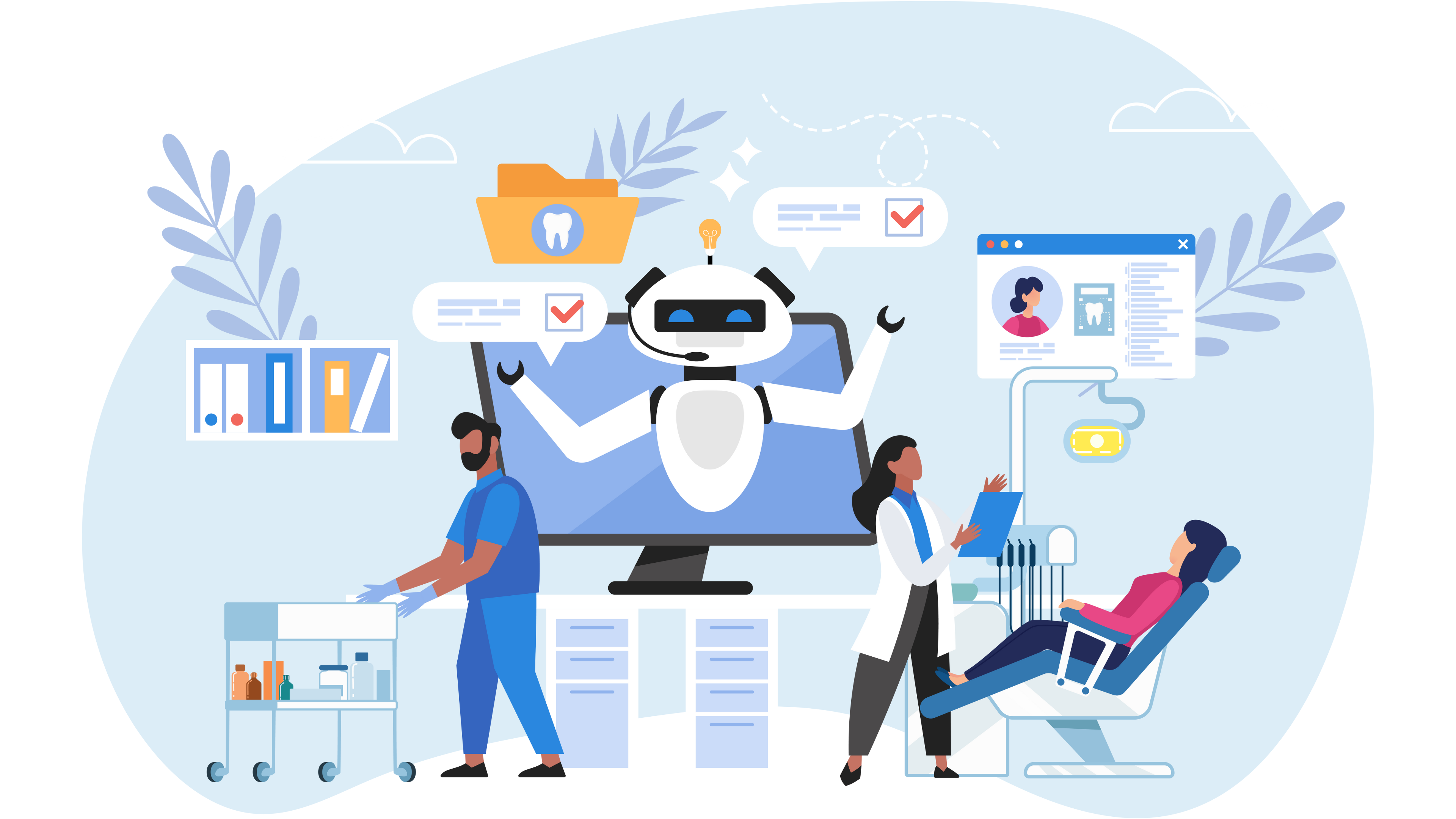
In most dental practices, the front desk is more than an administrative station; it is the command center for the entire operation. When this hub falls into chaos—characterized by an endless barrage of phone calls, overflowing paper files, and fragmented scheduling—the ripple effect is felt in every operatory. Poor front-office efficiency isn't just an internal headache; it is a direct threat to the patient experience and the practice’s bottom line. To thrive in a competitive market, dental teams must shift from reactive "firefighting" to proactive system management. This article outlines a strategic roadmap to reduce workload, leverage technology, and transform your front desk into a high-performing growth engine.
The High Cost of Front-Desk Chaos: Why Efficiency is No Longer Optional
Front-office exhaustion is a silent revenue killer. When administrative tasks are handled manually or inefficiently, the resulting overhead eats into profit margins and forces talented staff to burnout.
Identifying the Root Causes of Front-Office Exhaustion
The root cause of exhaustion is often "context switching." Dental front-desk staff are frequently forced to juggle clinical questions, insurance verification, patient check-ins, and phone inquiries simultaneously. This lack of task batching prevents deep work and increases the likelihood of human error. When staff are constantly interrupted, their ability to manage complex claims or treatment presentations diminishes, leading to delayed revenue and frustrated patients.
Beyond Productivity: How Operational Friction Impacts Patient Retention
Operational friction directly shapes the patient’s perception of care. If a patient experiences long hold times, disorganized intake processes, or billing errors, their confidence in the practice’s clinical competence wavers. Patients equate the quality of their administrative experience with the quality of their dental care. Streamlining these interactions is not merely about saving time; it is about building the trust necessary for high case acceptance and long-term loyalty.
Modernizing the Patient Intake Engine: From Paper to Seamless Digital Flows
 Comparing manual versus digital patient intake workflows.
The transition from paper-based systems to integrated digital platforms is the single most effective way to reclaim lost hours. Digital workflows allow for data to be collected, verified, and stored without human intervention.
Transitioning to Digital Intake Forms and Electronic Patient Records
Manual entry of patient health history is a significant bottleneck. By moving to digital intake forms that patients complete online prior to their appointment, you eliminate the need for front-desk staff to transcribe handwritten data into the practice management software. This ensures data accuracy and frees up the physical space and energy previously dedicated to managing paper charts.
Streamlining Patient Registration with Mobile-Friendly Check-In Systems
Mobile-friendly systems empower patients to manage their registration from the comfort of their homes. When patients arrive already "checked in," the front-desk experience shifts from a clerical task to a warm, personal greeting. This transition reduces lobby congestion and allows the administrative team to focus on high-value tasks like treatment planning rather than data entry.
Reducing Redundancy: Syncing Digital Data with Your Practice Management Software (PMS)
The primary goal of automation is to ensure information flows seamlessly into your practice management software. By integrating digital intake with your PMS, such as Open Dental, you eliminate the "double-entry" problem. When data syncs automatically, you reduce the risk of clinical errors and ensure that the dental team has the most current medical information before the patient sits in the chair. Combine a powerful PMS with patient engagement software, like Flex Dental Solutions, and the possibilities for growth are endless.
Mastering Appointment Management and Eliminating the "Phone Squeeze"
The "phone squeeze"—the overwhelming volume of calls that interrupts patient care—is a symptom of a scheduling system that lacks self-service options.
Implementing Online Scheduling for 24/7 Patient Convenience
Today’s patients demand the same convenience from their dental office as they do from their e-commerce sites. Online scheduling platforms allow patients to book their own appointments outside of business hours, significantly reducing the volume of inbound calls. By empowering patients to find their own spots, you protect your staff's time for more complex communication tasks.
Leveraging 2-Way SMS and Automated Reminders to Drastically Reduce No-Shows
No-shows are one of the most expensive drains on a practice. Automated, 2-way SMS communication allows for real-time confirmation of appointments. This technology does more than send a reminder; it opens a line of communication that allows patients to request reschedules or confirm arrival, keeping the appointment book accurate and preventing costly gaps in the schedule.
Using AI-Powered Chatbots and Virtual Assistants to Handle FAQs and Routine Inquiries
AI-powered tools can handle the most repetitive tasks, such as answering questions about office hours, insurance providers, or location. By delegating these routine inquiries to a chatbot or a virtual assistant, the front-desk team can focus on complex billing issues and personal patient interactions that require human empathy and critical thinking.
Optimizing the Revenue Cycle: Taking the Stress Out of Billing and Insurance
Revenue cycle management is often the most stressful aspect of the front desk. By implementing automated systems, you can move from a reactive collection process to a proactive financial strategy.
Automating Insurance Verification and Eligibility Checks Before the Visit
Verification should never happen at the front desk when a patient is standing there. Automated software can run eligibility checks 48 to 72 hours before the scheduled appointment. This proactive approach identifies coverage issues early, allowing the team to resolve discrepancies before they become obstacles to treatment.
Streamlining Claims Submission and EOB Management
Delayed claims are essentially interest-free loans provided to insurance companies. By utilizing electronic claims management systems, practices can submit claims instantly and track their status in real-time. Automated EOB (Explanation of Benefits) management further reduces the manual burden of reconciliation, allowing staff to focus on appealing denied claims rather than manual data entry.
Improving Case Acceptance with Digital Treatment Plan Estimates and Payment Links
Financial transparency is the key to case acceptance. When treatment plans include clear, automated insurance estimates and convenient "pay-now" links, patients are more likely to commit to their care. Removing the friction from the payment process increases collections and simplifies the front desk’s reconciliation workflow.
Reducing Accounts Receivable (AR) through Integrated Payment Processing Systems
Manual invoicing is outdated and inefficient. Integrated payment systems that offer recurring payment plans or digital statements drastically reduce the time spent chasing outstanding balances. By making payment seamless, you improve your cash flow and minimize the awkwardness of collection-related conversations.
The "Human-Centric" Approach to Front-Desk Efficiency
Technology is a force multiplier, not a substitute for your staff. The most efficient practices are those that prioritize the human element of the operation.
Cross-Training and Staff Motivation: Bridging the Clinical and Administrative Gap
When front-desk staff understand the basics of clinical procedures, and clinical staff understand the complexity of insurance billing, the practice gains immense flexibility. Cross-training ensures that the practice remains stable during vacations or staff turnover, preventing a total collapse of workflow when one team member is absent.
Establishing Clear Communication Protocols for Patient Interactions
Every interaction should be guided by a standardized protocol to ensure consistency. By establishing templates for phone scripts, email follow-ups, and conflict resolution, you remove the guesswork from daily tasks. This consistency reduces cognitive load for staff and creates a predictable, professional experience for the patient.
Improving Practice Culture to Combat Staffing Shortages and Turnover
High-performing offices invest in their culture. When staff feel supported by efficient systems, they are less likely to experience burnout. By automating the "drudgery," you allow your team to dedicate their energy to meaningful work—like building relationships with patients and supporting the doctor—which increases job satisfaction and retention.
Data-Driven Optimization: Using KPIs to Maintain a Lean Operation
A lean operation requires constant monitoring. Without data, you are simply guessing where the bottlenecks are.
Utilizing Analytics Dashboards to Identify Workflow Bottlenecks
Modern PMS software offers robust analytics. Use these tools to identify exactly where your operations are slowing down. Are you losing time on insurance verification? Is your re-care rate falling? Dashboards provide the objective truth needed to make informed management decisions.
Essential Metrics: Tracking Call Volume, Re-care Rates, and Collection Efficiency
Focus on the metrics that drive growth. Monitor your call volume to determine if you need more automation; track re-care rates to ensure the hygiene pipeline is full; and analyze collection efficiency to identify gaps in your billing cycle. These KPIs are the pulse of your dental practice.
Conducting Regular Audits of Scheduling Opportunities and Missed Calls
What you don't track, you don't fix. Regular audits of missed calls and scheduling opportunities allow you to see where potential revenue is slipping away. By identifying the reasons for missed opportunities, you can implement targeted training or process changes to plug these leaks permanently.
The Roadmap to Successful Implementation: Navigating Change Management
Introducing new systems requires as much strategy as the technology itself. Change management is the difference between a successful upgrade and a failed experiment.
Overcoming "Transition Anxiety" When Introducing New Technology
It is natural for staff to resist change. To overcome "transition anxiety," communicate the "why" behind every change. Frame new technology as a tool that reduces their stress rather than something that monitors their every move. Involve the front-desk team in the selection process to increase their buy-in and ownership.
Building a Step-by-Step Training Program for Long-Term Adoption
Avoid the "dump and run" approach to software training. Instead, implement a staggered roll-out where new processes are introduced and mastered one by one. Provide clear documentation and set aside specific times for training so that staff can practice new workflows without the pressure of an active patient schedule.
Scaling Your Solutions: From Quick Wins to Total Practice Transformation
Start with quick wins—such as implementing automated appointment reminders—to build momentum and prove the value of your new systems. Once the team sees the immediate reduction in their daily stress, they will be far more receptive to larger, more complex transformations like integrated billing or AI-driven analytics.
Conclusion: Transforming the Front Office from a Cost Center to a Growth Engine
Reducing dental front desk workload is not about working faster; it is about working smarter through deliberate, system-driven changes. By modernizing your patient intake, automating the revenue cycle, and embracing a data-driven approach to practice management, you shift your front office from a reactive cost center to a proactive growth engine.
The strategy is clear:
- Audit your current bottlenecks to identify where manual labor is eroding efficiency.
- Deploy technology as a force multiplier, focusing on automation that clears the path for meaningful patient interaction.
- Invest in your team’s training to ensure that human skill is used where it provides the most value: building trust and facilitating care.
As you implement these changes, remember that technology is the infrastructure, but your staff’s dedication to the patient experience is the foundation of your success. Start today by choosing one process—whether it’s digitizing intake forms or automating insurance verification—and build from there. When your administrative systems run in the background, your practice is free to focus on what matters most: providing exceptional dentistry.