Navigating the world of dental care can sometimes feel like a tightrope walk between necessary health decisions and financial realities. For many Americans, the prospect of achieving optimal oral health is clouded by concerns over the associated cost. While dental insurance provides a foundational layer of support, it often doesn't cover the full spectrum of treatments or the out-of-pocket expenses like deductibles and co-pays. This is where dental payment plans emerge as a crucial, often overlooked, financial tool. These flexible financing solutions are no longer an exception but a standard service offered by dental offices, designed to make essential dental care and treatment accessible to more patients. Understanding these payment options can be a game-changer, transforming apprehension into empowerment and ensuring that your health and smile are priorities, not afterthoughts. This article delves into the various payment plan strategies available, demystifying the process and equipping you with the knowledge to make informed decisions for your oral health.
The Cost of Care: Why Dental Payment Plans Are a Game-Changer for Americans
The significance of oral health extends far beyond aesthetics; it's intrinsically linked to overall well-being. Yet, for a substantial portion of the population, accessing consistent and comprehensive dental care remains a significant challenge. The financial burden associated with dental treatment is a primary driver of this disparity, leading many to postpone or entirely forgo necessary appointments. This is precisely why payment plans have become indispensable in modern dental offices, acting as a vital bridge between patients' needs and their financial capabilities.
The Unseen Burden: How High Costs Deter Essential Dental Care
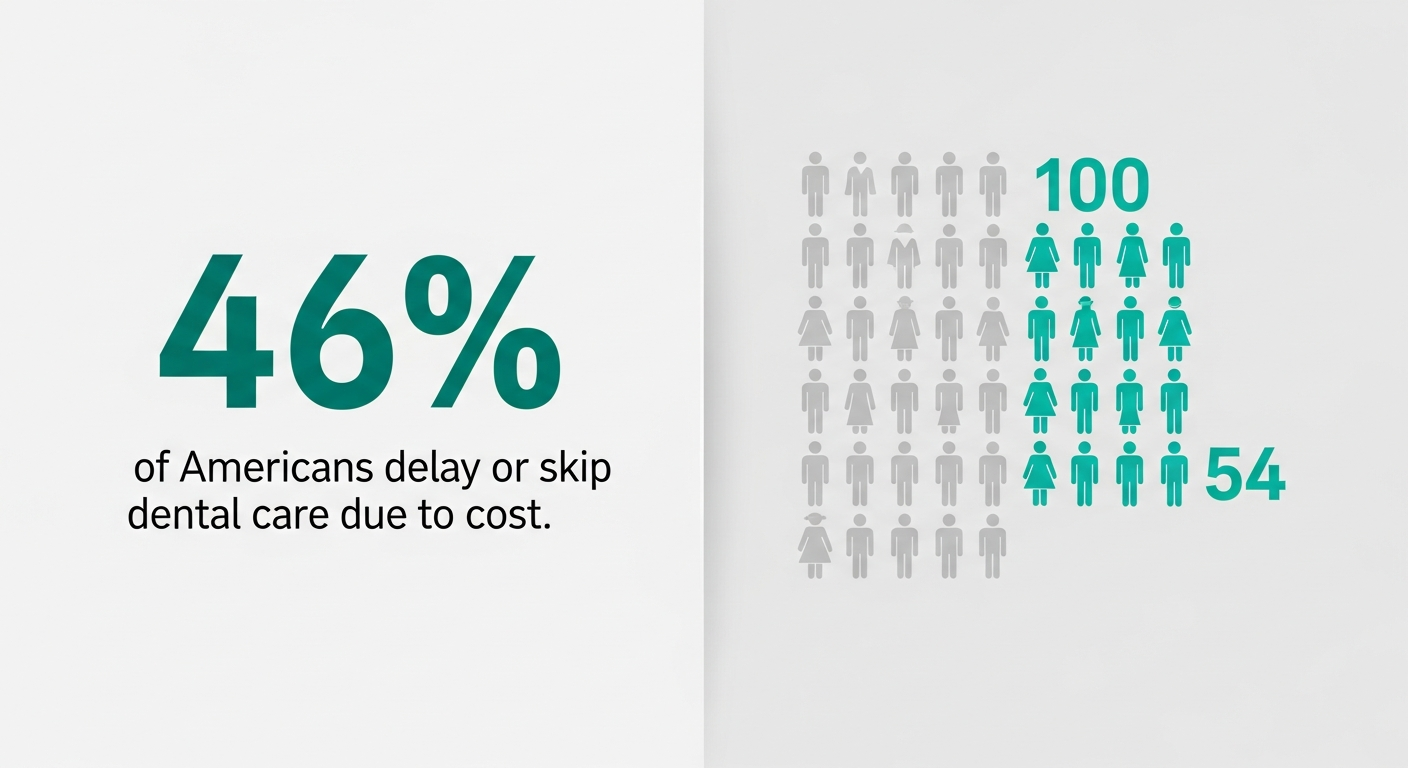 Nearly half of all Americans postpone necessary dental treatments because of financial concerns, highlighting a major barrier to oral health.
The economic landscape of dental care in the United States presents a formidable barrier for many. Americans spend approximately $137 billion on dental care each year, with significant increases expected How Much Americans Spend on Dental Care Each Year: A Comprehensive Analysis. In 2023, national dental care expenditures amounted to $189 billion, up 3.6% from the previous year (adjusted for inflation) American Dental Association. This substantial expenditure highlights the inherent cost of maintaining oral health, often making even routine appointments feel like a luxury.
The consequence of this high cost is a significant number of individuals delaying or entirely skipping essential dental care. Alarmingly, 46% of Americans delay or skip dental care due to cost. This statistic underscores the profound impact that financial constraints have on patients' ability to receive timely treatment. The ramifications of such delays are not merely aesthetic; untreated dental issues can lead to chronic pain, infections, tooth loss, and even contribute to systemic health problems, including heart disease and diabetes. By 2026, untreated cavities are expected to affect 1 in 4 adults, a stark reminder of the public health crisis that financial barriers can exacerbate. This societal challenge makes accessible financing solutions not just convenient, but medically imperative for a significant segment of the population.
Bridging the Gap: How Payment Plans Make Quality Treatment Accessible
Dental payment plans act as a critical bridge, transforming potentially insurmountable costs into manageable installments. These financing offers are designed to empower patients by allowing them to receive the dental care and treatment they need without being immediately overwhelmed by the upfront cost. By spreading the payment over an extended period, plans make procedures that might otherwise be financially prohibitive—from preventative checks to complex restorative treatment—achievable.
The primary benefit of these plans is enhanced accessibility. Patients no longer have to choose between their oral health and other essential financial obligations. This immediate access to care ensures that minor issues are addressed before they escalate into more severe and costly problems, thereby promoting better long-term oral health outcomes. Moreover, the availability of flexible payment options can alleviate stress and anxiety often associated with dental appointments, fostering a more positive patient experience and encouraging consistent engagement with preventative dental care. These solutions are not merely a financial convenience; they are a vital component in ensuring that quality dental care is within reach for a broader segment of the population.
Understanding Your Options: In-House vs. Third-Party Dental Financing
When seeking financing for dental care, patients typically encounter two main categories of payment plans: those offered directly by the dental office itself (in-house) and those provided by external financial institutions (third-party). Each approach has its unique structure, benefits, and considerations, making it essential for patients to understand these distinctions to choose the solution that best fits their individual needs and financial situation.
In-House Financing: Direct from Your Dental Office
In-house financing, often referred to as house plans, represents a direct payment arrangement between the patient and the dental office. This method bypasses external lending institutions, allowing the practice to manage the payment plan directly. The terms, interest rates (if any), and repayment schedules are set by the dental office, offering a degree of personalization and flexibility that external lenders may not provide. These offers are frequently designed to be straightforward, aiming to facilitate treatment acceptance and patient satisfaction.
Third-Party Financing: External Lenders for Your Dental Needs
Third-party financing involves partnering with specialized lending companies that provide funds directly to the dental office on behalf of the patient. These companies, often known for offering medical and dental credit, have their own application processes, eligibility criteria, interest rates, and repayment terms. While this route might involve a more formal application and credit check, it can offer access to larger loan amounts and potentially more diverse financing options compared to in-house plans.
Deep Dive into In-House Payment Plans: The Direct Approach
In-house payment plans offer a direct and often personalized route for patients to manage the cost of their dental care. By maintaining a direct relationship with the dental office, patients can find solutions that are tailored to their specific needs and the treatment they require.
How In-House Plans Work: Flexibility and Direct Relationships
In-house payment plans operate on a straightforward principle: the dental office extends credit directly to the patient. Instead of a third party handling the financing, the office manages the payment schedule, typically breaking down the total cost of treatment into a series of manageable monthly installments. The terms of these plans are determined by the dental office and can vary significantly. Some offices may offer interest-free plans for a specified period, especially for shorter-term agreements, while others might charge a modest interest rate.
The benefit of this direct approach lies in the personalized service and flexibility. Patients can often discuss their financial situation directly with the office staff, potentially negotiating payment terms that align with their budget. This direct communication can make the process less intimidating than dealing with a large financial institution. The time frame for repayment is also often adaptable, ranging from a few months to a year or more, depending on the treatment cost and the office's policies. For patients who prefer a more personal touch and a simplified application service, in-house plans are an attractive option.
Benefits and Considerations of In-House Options
The advantages of in-house payment plans are numerous, primarily revolving around convenience and a more personal patient experience. One of the biggest benefits is the potential for a simpler application process. Often, patients can get approved quickly without extensive credit checks, as the office may focus more on the patient's relationship with the practice and the specific treatment cost. This direct relationship also means that any questions or concerns regarding payment can be addressed immediately with office staff, fostering transparency and trust.
Furthermore, in-house plans can sometimes offer more flexible repayment schedules or even interest-free offers for a limited time, particularly for straightforward treatments. This can make it easier for patients to manage their budgets without incurring significant interest charges. The office has a vested interest in helping patients complete their treatment, so they are often more accommodating and understanding of individual circumstances.
However, there are also considerations. In-house plans may have limitations on the total cost of treatment they can cover. For very extensive or complex procedures, the office might require a larger down payment or suggest alternative financing solutions. Eligibility for these plans can also vary, and some offices may still require a basic credit assessment. It’s crucial for patients to inquire about the specific terms, including any potential fees, interest rates, and repayment timelines, to ensure they fully understand the plan before proceeding with treatment.
Exploring Third-Party Dental Financing Companies: Your External Allies
When in-house options at the dental office don't fully meet a patient's needs, or for those seeking broader financing possibilities, third-party dental financing companies emerge as valuable allies. These external lenders specialize in providing financial solutions for healthcare costs, including extensive dental care and treatment.
What to Expect from External Lenders
Third-party financing companies operate by providing a loan to the patient, which is then used to pay the dental office directly. The patient then repays the loan to the third-party lender according to the agreed-upon terms. This process typically involves an application, a credit review, and the establishment of a payment plan with the lender.
When exploring these options, patients can expect a range of financing solutions, including medical credit cards and personal loans specifically designed for healthcare expenses. These companies often have varying interest rates, repayment periods that can extend for several years, and different fee structures. Some offers may include low or even 0% introductory Annual Percentage Rate (APR) for a promotional period, which can be highly advantageous if the balance is paid off within that time. It is essential for patients to carefully review all terms and conditions, including APR, late fees, and any potential origination or administrative fees, to understand the total cost of the financing.
Key Players: A Comparative Look at Popular Third-Party Platforms
The landscape of third-party dental financing is populated by several key players, each offering slightly different solutions and terms. While specific offers and partnerships can change, common platforms include companies like CareCredit, Sunbit, and Proceed Finance.
- CareCredit: One of the most widely recognized names, CareCredit functions like a credit card for healthcare expenses. It often provides promotional offers, such as no interest if the plan is paid in full within a specified promotional period (e.g., 6, 12, or 18 months). It's accepted at many dental offices, making it a convenient choice for patients seeking immediate treatment.
- Sunbit: Sunbit offers a different approach, often focusing on quick approval for everyday treatments with flexible payment schedules, sometimes requiring no hard credit checks for smaller amounts. They aim for transparent terms, allowing patients to spread payments over a few months to several years.
- Proceed Finance: This platform often caters to larger treatment costs, offering longer repayment terms (up to 84 months) and competitive interest rates. They are particularly useful for extensive dental care needs where other financing options might fall short.
When comparing these platforms, patients should look beyond the advertised interest rates to understand the full picture. This includes examining the APR after any promotional period ends, understanding the consequences of late payments, and checking for any hidden fees. The application process for each can differ, with some requiring a more thorough credit check than others. Ultimately, the "best" platform depends on the individual patient's creditworthiness, the cost of their treatment, and their preferred repayment plan.
Making the Right Choice: Key Factors to Evaluate in Any Payment Plan
Selecting the most suitable payment plan for dental care requires a thorough evaluation of several critical factors. Whether opting for an in-house arrangement or a third-party financing solution, patients must look beyond the immediate promise of affordability to understand the long-term implications and true cost of the financing.
Understanding Interest Rates, Fees, and Repayment Terms
The cornerstone of evaluating any payment plan is a deep understanding of its financial components. Interest rates, whether fixed or variable, directly impact the total amount you will ultimately pay. A seemingly low interest rate can still add significantly to the cost of treatment over time. Many third-party lenders and some in-house offers present promotional periods with 0% APR. While these can be incredibly beneficial, patients must be aware of the APR that applies after this introductory period concludes, as it can often be substantially higher.
Beyond interest, be vigilant about associated fees. Origination fees, administrative fees, late payment fees, and even early payment penalties can increase the overall expense of the financing. A clear understanding of these charges is crucial. Equally important are the repayment terms. Plans can vary widely in duration, from a few months to several years. While longer terms mean lower monthly payments, they also typically result in paying more interest over the life of the loan. Patients should consider their budget and how long they can comfortably manage monthly payments without undue financial strain. This holistic view ensures that the chosen plan is not only accessible but also economically sound in the long run.
Navigating the Application Process and Credit Impact
The application process for dental financing is a key step that requires careful attention, especially when dealing with third-party lenders. Most applications will require personal information, proof of income, and details about your employment. A significant component of this process for external financing companies involves a credit check.
Applying for credit can have an impact on your credit score, particularly if multiple hard inquiries are made in a short period. A good credit score generally leads to better interest rates and more favorable terms. However, even individuals with less-than-perfect credit may find financing solutions available, though these might come with higher interest rates or stricter terms. Understanding how an application might affect your credit is important. It's advisable to inquire about whether an application will result in a hard or soft credit check before proceeding.
For in-house plans, the credit assessment might be less rigorous, with the office potentially focusing on the patient's history with the practice. Regardless of the type of plan, responsible repayment is paramount. Making timely payments consistently builds a positive credit history, which can benefit you in future financial endeavors. Conversely, missed or late payments can negatively impact your credit score, making future borrowing more difficult and expensive.
The Importance of the Total Cost of Treatment
When evaluating payment plans, focusing solely on the monthly payment amount can be misleading. The true measure of affordability lies in the total cost of treatment, which includes the original cost of the service, any accrued interest, and all associated fees. A low monthly payment spread over an extended period with a high interest rate can result in paying significantly more than the original treatment cost.
For instance, a plan with a seemingly attractive low monthly payment but a high APR over several years might end up costing you substantially more than a plan with a slightly higher monthly payment but a shorter term and lower interest. It is essential to calculate the total projected repayment amount for each offer. This calculation involves multiplying the monthly payment by the number of months in the plan and adding any known fees. This comprehensive approach ensures that patients make an informed decision based on the entire financial commitment, not just the immediate monthly burden. This due diligence helps avoid unexpected expenses and ensures the chosen financing solution aligns with long-term financial goals.
Dental Insurance vs. Payment Plans: Working Together for Your Health
Dental insurance and payment plans are not mutually exclusive; rather, they are often complementary tools that work in tandem to make dental care accessible and affordable. Understanding how each functions and how they can be integrated is key to maximizing your benefits and achieving your oral health goals.
Payment Plans as a Complement, Not a Replacement
Dental insurance plays a vital role in reducing the cost of dental care, but it rarely covers 100% of expenses. This is where payment plans step in as a crucial complement. While insurance might cover a portion of preventive checks and basic procedures, more extensive treatments, cosmetic services, or even the out-of-pocket portions of covered treatments can still represent a significant financial commitment for patients.
The U.S. dental insurance market is substantial, calculated at USD 97.7 billion in 2025 Precedence Research. More and more companies are expected to provide dental insurance as part of a benefits package in 2026 Online Dentist Academy. The dental insurance market size is expected to grow from $215.44 billion in 2025 to $235.86 billion in 2026 The Business Research Company. Despite this growth, annual maximums can limit coverage. For instance, 73% of consumers enrolled in dental PPOs (the dominant product type) have an annual maximum of $1,500 or more. Therefore, payment plans become essential for bridging the gap between these limits and the actual cost of necessary treatment. They allow patients to finance procedures that might exceed their insurance benefit maximums or cover services that are not typically covered, such as certain cosmetic procedures.
Covering Deductibles, Co-pays, and Non-Covered Services
Dental insurance policies typically involve deductibles and co-payments, which are the portions of the cost that the patient is responsible for. For example, you might have a $50 deductible per year and a 20% co-pay for a specific procedure. If a crown costs $1,000 and your insurance covers 80% after the deductible, you would still be responsible for $200 (20% of $1000) plus the deductible. A payment plan can be used to cover these out-of-pocket expenses, making the overall treatment more manageable.
Furthermore, many insurance policies have limitations on covered services. Elective procedures, advanced cosmetic dentistry, or certain specialized treatments might not be covered at all. In such cases, a payment plan provides the necessary financing to proceed with the desired treatment, ensuring that patients are not denied beneficial services due to policy exclusions. It’s also worth noting that for traditional Medicare recipients, approximately 1.31 million beneficiaries annually are eligible for payment of dental services that are inextricably linked to a covered medical treatment, highlighting specific situations where coverage exists but may require supplemental financing for related dental work. For children, the percentage of kids without dental insurance coverage fell to its lowest recorded level since 2002 at 8% in 2022 Benevis, indicating a positive trend in ensuring younger populations have access to basic dental care.
Beyond Financing: Other Strategies for Dental Affordability
While payment plans are a cornerstone for financing dental care, a variety of other strategies can further enhance affordability and ensure comprehensive oral health management. Exploring these diverse solutions can empower patients to make smart financial decisions regarding their dental treatment.
Dental Savings Plans: An Alternative to Traditional Insurance
Dental savings plans, also known as discount dental plans, offer a different model of dental care affordability. Unlike traditional insurance, these plans do not involve deductibles, annual maximums, or claim forms. Instead, patients pay an annual membership fee to a plan provider, which then grants them access to a network of dentists who have agreed to offer their services at reduced rates. The benefit is immediate savings on a wide range of dental treatments, from routine checks and cleanings to more complex procedures. These plans can be an excellent option for individuals who don't have employer-provided insurance, have exhausted their annual insurance benefits, or need coverage for services not typically covered by traditional plans.
Leveraging HSAs and FSAs for Qualified Dental Expenses
Health Savings Accounts (HSAs) and Flexible Spending Accounts (FSAs) are tax-advantaged savings vehicles that can be used to pay for qualified medical and dental expenses. Contributions made to these accounts are typically tax-deductible or pre-tax, meaning they reduce your taxable income, effectively lowering the cost of dental care. Both HSAs and FSAs can be used to cover a wide array of dental treatments, including exams, cleanings, fillings, crowns, braces, and more. The key benefit is the tax savings, making the cost of dental care more manageable. It's important to note that HSAs are portable and funds roll over year to year, while FSAs generally operate on a "use-it-or-lose-it" basis within a plan year, though some employers offer grace periods or carryover options.
Community Resources and Dental Schools
For individuals facing significant financial barriers, community dental clinics and dental schools can offer much-needed solutions. Community clinics often provide dental care on a sliding scale, meaning the cost of service is based on the patient's income and ability to pay. These clinics are dedicated to serving underserved populations and ensuring that essential oral health treatment is accessible.
Dental schools, which are training grounds for future dentists, also offer dental care at a significantly reduced cost. Patients receive treatment from supervised dental students who are honing their skills. While the appointments might take longer due to the educational nature of the service, the savings can be substantial. This can be a viable option for patients seeking routine checks, cleanings, or even more complex treatments, provided they are willing to undergo care in an academic setting and have the time to commit.
Your Action Plan: Securing the Best Payment Plan for Your Needs
Embarking on the journey to secure the right dental payment plan requires a structured approach. By taking proactive steps to assess your situation and understand your office's offers, you can confidently choose a financing solution that supports your oral health goals without compromising your financial well-being.
Self-Assessment: Understanding Your Treatment and Financial Situation
Before exploring any payment plan, the crucial first step is a thorough self-assessment. Understand the specific dental treatment recommended by your dentist. What is the estimated cost? Are there multiple phases to the treatment? Concurrently, evaluate your personal financial situation. What is your current budget? How much can you realistically allocate towards monthly payments? Do you have any existing credit offers that might be applicable, or any funds in HSAs/FSAs? Being clear about your needs and financial capacity will guide your choices and help you identify the most suitable financing solution. This initial clarity ensures you are not just looking for a plan, but for the right plan.
The Essential Checklist: Questions to Ask Your Dental Office
When you're ready to discuss financing, armed with your self-assessment, the dental office is your primary resource. Prepare a list of questions to ensure you gather all necessary information about their payment offers. Key questions include:
- What payment plan options do you offer directly through the office?
- Are there any in-house financing plans with 0% interest for a specific period? If so, what is that period and what is the interest rate after it expires?
- What are the repayment terms for your in-house plans? What is the maximum time allowed for payment?
- Are there any application fees, administrative fees, or other charges associated with your in-house payment plans?
- Do you work with any third-party financing companies? If so, which ones, and what are the typical offers (e.g., promotional periods, interest rates)?
- What is the credit impact of applying for these financing options?
- Can payment plan terms be adjusted if my financial situation changes?
- How do payment plans integrate with my dental insurance? Can they be used to cover deductibles, co-pays, or non-covered services?
Asking these questions ensures you have a comprehensive understanding of the payment solutions available directly from the office, empowering you to make an informed decision.
Reviewing and Finalizing Your Chosen Plan
Once you have gathered information on potential in-house and third-party financing options, it’s time to compare and finalize. Carefully review the terms and conditions of each plan. Pay close attention to the total cost of treatment – the original treatment price plus all interest and fees. Compare the monthly payment amounts against your budget. Consider the repayment time frame and ensure it aligns with your financial comfort level.
If considering a third-party lender, understand their application process and potential impact on your credit. For in-house plans, clarify any specific office policies regarding payments. Don't hesitate to ask for clarification on any points you don't fully understand. Once you’ve weighed the benefits and drawbacks of each option, make your selection. Read all agreements thoroughly before signing. Finalizing your chosen plan is a critical step in securing your dental care and setting yourself up for responsible payment management.
Responsible Management: Maximizing the Benefits of Your Payment Plan
Securing a dental payment plan is a significant step toward achieving optimal oral health, but the journey doesn't end with the signing of an agreement. Responsible management of your chosen plan is crucial to maximizing its benefits, avoiding unforeseen financial penalties, and maintaining a positive credit history.
Adhering to Your Payment Schedule
The most fundamental aspect of responsible payment plan management is consistent adherence to your agreed-upon schedule. This means making your monthly payments on time, every time. Late payments can incur hefty fees, increase your overall cost through accrued interest, and negatively impact your credit score, making future borrowing more challenging. Many financing companies and dental offices offer automatic payment options, which can be a convenient way to ensure you never miss a due date. If you anticipate any difficulty in making a payment, it is always best to communicate with your dental office or lender as soon as possible. Proactive communication can often lead to alternative arrangements and prevent more serious financial repercussions. By treating your dental payment plan with the same diligence as any other significant financial commitment, you ensure a smooth path to completing your treatment and enjoying the long-term benefits of excellent oral health.
Conclusion
Access to quality dental care is fundamental to overall well-being, yet the cost of treatment often presents a significant hurdle for many patients. Fortunately, dental offices today offer a diverse array of financing solutions designed to bridge this gap. From the direct, personalized approach of in-house payment plans to the broader options provided by third-party lenders, patients now have multiple avenues to secure the dental care they need. Understanding the nuances of interest rates, fees, repayment terms, and the impact on credit is paramount to making an informed decision. When used in conjunction with dental insurance, these payment strategies can cover deductibles, co-pays, and services not typically covered, ensuring comprehensive health management. Beyond formal financing, exploring dental savings plans, leveraging HSAs/FSAs, and utilizing community resources can further enhance affordability. By undertaking a thorough self-assessment, asking the right questions, and diligently managing your chosen plan, you can confidently navigate the financial landscape of dental care, ensuring your smile and your health remain top priorities.